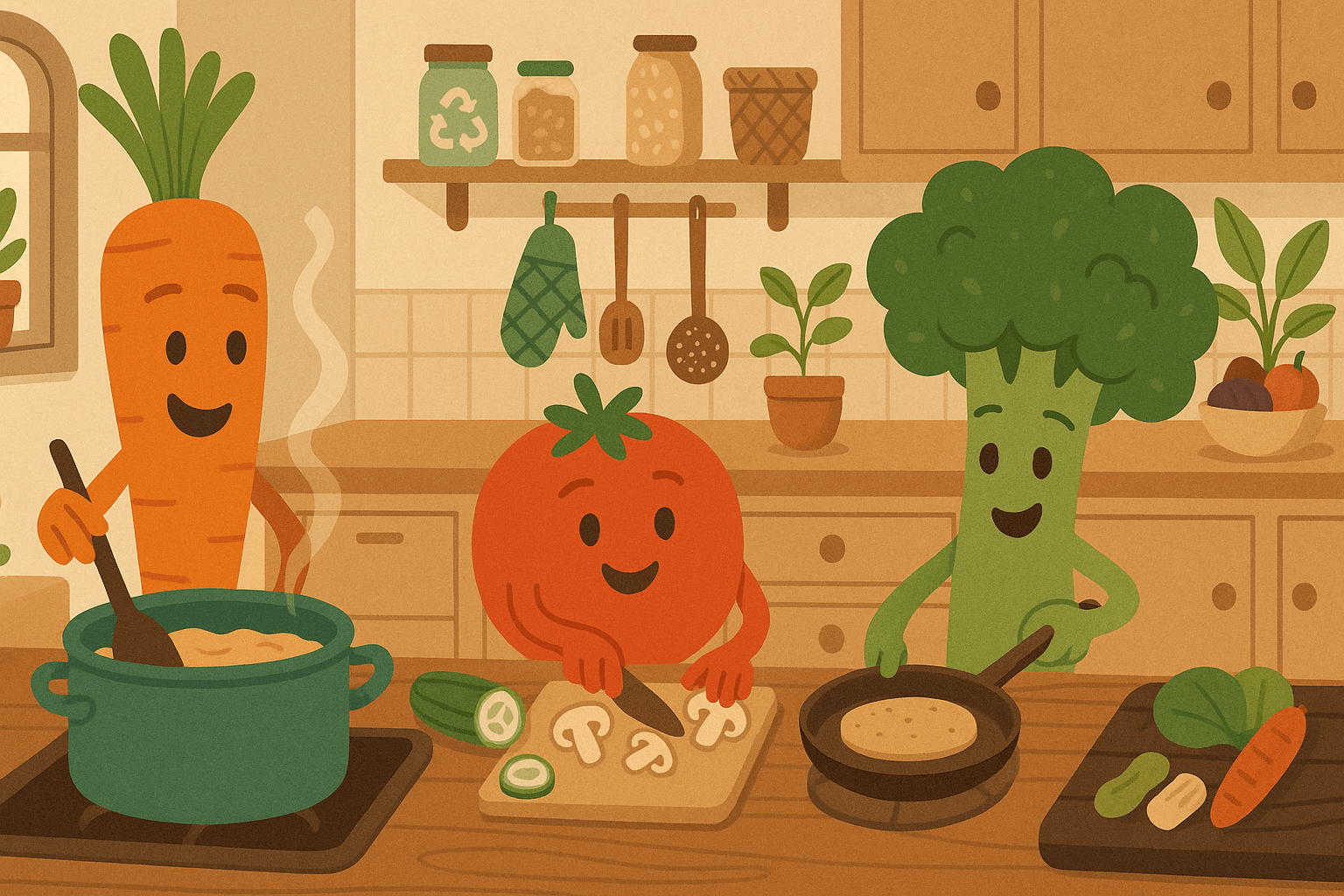
10 Cooking Techniques That Enhance Vegetables
Vegetables are at the heart of vegetarian cuisine. Whether you are already committed to a plant-based diet or simply want to diversify your recipes, there are many ways to highlight flavors and textures. In this article, we present 10 cooking techniques that enhance your vegetables. We will discuss the benefits of each method, practical tips, and seasoning ideas to help you achieve dishes that are both tasty and healthy.
The essentials in three points
If you are short on time, remember this. To preserve the most fragile nutrients (vitamin C, folate), steaming beats boiling: a 2007 USDA comparison reported by Wikipedia shows that steaming reduces broccoli’s vitamin C by about 15 percent versus 25 percent when boiled, and folate by 15 percent versus 35 percent when boiled. To develop flavor, do the opposite and use dry heat: in the oven or the pan, it is the Maillard reaction (around 140-165 °C) and the caramelization of sugars (starting at 105 °C depending on the sugar) that create those roasted aromas. Finally, whatever the method, the World Health Organization recommends at least 400 g of fruits and vegetables a day from the age of 10: varying your techniques is the best way to hit that target without getting bored.
No single method is “the” best in absolute terms. The right choice depends on the vegetable, the result you want, and the time you have. Here is how to get the most out of each one.
1. Steaming
Steaming is a particularly gentle method for vegetables. It offers several advantages:
- Nutrient preservation: This technique limits the loss of vitamins and minerals.
- Natural taste: Steaming requires little or no fat and preserves the basic flavor of the vegetables.
- Versatile method: You can steam almost any vegetable, from carrots to broccoli, and zucchini.
Tips for Steaming
- Cut your vegetables evenly to ensure uniform cooking time.
- Use a steamer basket or an electric steamer. If you don’t have one, you can place a metal colander over a pot of simmering water.
- Keep a close eye on the vegetables: steaming can be quick, and overcooking may result in a mushy texture.
- Season just before serving: lightly salt, add a drizzle of olive oil, and sprinkle with fresh herbs like dill or chives.
Steaming can be surprisingly flavorful if you use the right combination of spices and seasonings. For a complete dish, serve your steamed vegetables alongside legumes or a mushroom risotto.
What really sets steaming apart is how well it retains water-soluble nutrients. Because the vegetables are not submerged in water, they lose far fewer vitamins to leaching. According to a 2007 USDA comparison cited by Wikipedia, steaming cuts vitamin C by only about 15 percent (versus 25 percent when boiled) and folate by 15 percent (versus 35 percent when boiled). Better still: at equal firmness, steamed broccoli retains roughly 42 percent more glucosinolates than boiled broccoli. If you want to dig into this gentle approach, our guide to gentle steam cooking for nutrient preservation covers timing and equipment.
2. Braising
Braising involves cooking vegetables in their own juice, over low heat, in a closed container. This technique is popular because it:
- Retains maximum aromas: Vegetables cook in a nearly airtight environment, preventing water loss.
- Maintains tenderness: Low evaporation helps keep vegetables juicy and tender.
- Requires little or no fat: With braising, you can limit yourself to a light drizzle of oil or even do without it.
How to Successfully Braise
- Choose a pot with a tight-fitting lid.
- Cut the vegetables into not-too-large pieces to speed up cooking time and ensure even cooking.
- Add a bit of water, broth, or vegetable juice to prevent sticking.
- Cook over low heat: try not to open the lid too often to retain steam and heat.
For seasoning, a bit of garlic, onion, salt, pepper, and aromatic herbs are enough to enhance the natural flavor of the vegetables. Some vegetables like zucchini, peppers, or fennel are particularly tasty with this technique.
3. Oven Roasting
Oven roasting is a popular method for preparing all kinds of vegetables for several reasons:
- Flavor caramelization: The dry heat of the oven enhances the concentration of sugars in vegetables, creating deliciously sweet notes.
- Crispy texture: Vegetables can become crispy and tender inside.
- Simplicity: Generally, you just need to cut the vegetables, add a drizzle of oil, season, and bake.
Best Practices for Oven Roasting
- Preheat your oven to the right temperature (usually around 200°C).
- Cut the vegetables into regular pieces for even cooking.
- Arrange them on a baking sheet lined with parchment paper or in a large dish. Season with salt, pepper, herbs de Provence, spices (paprika, turmeric), or any blend of your choice.
- Turn or mix the vegetables halfway through cooking for even coloring.
You can combine several types of vegetables in one dish, like potatoes, carrots, turnips, onions, and peppers. Fresh herbs (rosemary, thyme) added at the end of cooking further enhance the taste.
Why are roasted vegetables so flavorful? Two chemical reactions are at work. Caramelization transforms the vegetable’s own sugars: each sugar has its own threshold, from fructose (105 °C) to glucose (150 °C), sucrose (170 °C), and maltose (180 °C). Alongside it, the Maillard reaction, a non-enzymatic browning between sugars and amino acids, takes off around 140-165 °C and produces those complex, roasted notes. That is why a 200 °C oven gives much better results than a lukewarm one: below those thresholds, vegetables cook but do not brown. To go further, see our secrets of perfect caramelization for roasted vegetables.
4. Grilling or Barbecuing
For those who enjoy outdoor cooking, grilling (or barbecuing) is a perfect opportunity to rediscover vegetables:
- Grilled and slightly smoky vegetables: They acquire a characteristic flavor thanks to direct contact with the heat source.
- Quick: Vegetables are seared in just a few minutes over high heat.
- Sociable: Perfect for sharing a good time around a barbecue with friends or family.
Tips to Avoid Burning Vegetables
- Coat the vegetables with oil (preferably one that withstands high temperatures) to prevent sticking.
- Preheat your grill or barbecue and place them on the hottest part to sear the surface, then move them to a slightly cooler spot to finish cooking.
- Opt for firm-fleshed vegetables: zucchini, eggplant, peppers, mushrooms, corn cobs (pre-blanched), etc.
- Turn regularly to achieve uniform grill marks without burning.
Adding a mix of dried herbs (garlic powder, salt, pepper, paprika) or a marinade of olive oil and lemon juice turns the tasting into a real feast.
The choice of oil matters more here than anywhere else, because the grill runs very hot. Every oil has a smoke point beyond which it degrades and develops unwanted compounds: virgin olive oil sits around 210 °C, while refined oils (sunflower, peanut, refined avocado) tolerate noticeably higher temperatures. So for high-heat searing, keep virgin olive oil for finishing and reach for a refined, high-smoke-point oil for direct contact with the flame. Our comparison of the essential vegetable oils for healthy cooking and our guide to organizing a vegetarian barbecue will help you plan.
5. Stir-Frying in a Wok
The wok, originating from Asian cuisine, is ideal for quick cooking of vegetables. Why choose it?
- High-temperature cooking: It allows for quick searing of vegetables, preserving their nutrients.
- Varied textures: The wok is designed for continuous stirring to achieve crunchy and not soggy vegetables.
- Versatile: You can add plant proteins like tofu or tempeh, as well as various sauces to create complete and balanced dishes.
Achieving a Successful Vegetable Stir-Fry in a Wok
- Cut your vegetables into similarly sized pieces to ensure quick and even cooking.
- Preheat the wok with a bit of oil (sesame or sunflower), then add garlic, onion, or ginger according to the recipe.
- Incorporate the hardest vegetables first (carrots, broccoli) then those that cook faster (peppers, mushrooms).
- Stir constantly to prevent sticking and uneven cooking.
- Season with soy sauce or tamari, a drizzle of toasted sesame oil, or a blend of Asian spices.
The wok offers a colorful and flavorful result while avoiding the use of excess fat. To master the fierce heat and the order in which you add vegetables, our dedicated article on wok cooking and crunchy textures goes further.
6. Pan Sautéing
Pan sautéing is similar to the wok technique but suits those without a wok. It involves cooking vegetables over high heat by regularly tossing or stirring them with a spatula:
- Ease of use: A frying pan or sauté pan is enough, no specific equipment needed.
- Crunch and taste: This high-heat cooking method allows for perfectly cooked and slightly caramelized vegetables.
- Adaptable to various dishes: You can create a sautéed vegetable mix and serve it with rice, pasta, or incorporate it into patties or tortillas.
Tips for Successful Sautéing
- Prefer a pan or sauté pan with a thick bottom for better heat distribution.
- Cut the vegetables into thin slices or small cubes so they cook quickly.
- Monitor the temperature: ensure it’s high enough to sear without burning. Adjust the heat during cooking.
- Taste regularly to find the perfect balance between crunchy and tender.
Meanwhile, prepare a delicious sauce: for example, a mix of soy sauce, honey (or maple syrup), and a bit of balsamic vinegar for a sweet and savory touch.
7. Cooking in Parchment
Cooking in parchment is a delicate technique that involves wrapping vegetables in parchment paper or aluminum foil before baking or grilling. This method offers several benefits:
- Flavor preservation: Vegetables cook in their juice and retain maximum aromas.
- Dietary respect: This technique requires little or no fat.
- Elegant presentation: Once opened at the table, the parchment releases fragrance and steam for a guaranteed sensory effect.
How to Make a Delicious Parchment
- Cut a large rectangle of parchment paper (or aluminum) and place the vegetables of your choice on it.
- Add herbs (thyme, basil, rosemary), a drizzle of olive oil, a few drops of lemon juice, and a pinch of salt and pepper.
- Seal the parchment tightly, leaving a small space for steam.
- Bake at 180-200°C for about 20 to 30 minutes depending on the size of your vegetables.
This method is perfect for delicate vegetables like zucchini, tomatoes, mushrooms, or fennel. You can also add a marinated tofu steak or seitan for a complete dish.
8. Sous Vide Cooking at Low Temperature
Sous vide cooking at low temperature, very popular in gastronomy, involves sealing vegetables in an airtight bag and then immersing them in a controlled water bath:
- Precise cooking: This technique ensures a constant temperature suited to each type of vegetable.
- Nutrient conservation: Vegetables cook in a sealed environment, reducing the loss of vitamins and minerals.
- Optimal result: Vegetables retain all their crunch and color.
Achieving Sous Vide Cooking at Home
- Equip yourself with a vacuum sealer and a regulated immersion circulator or electric water bath.
- Season the vegetables with salt, pepper, aromatic herbs, or spices before vacuum sealing.
- Set the water bath temperature according to the vegetable: for example, 85°C for carrots, lower for more tender vegetables.
- Respect cooking times: between 30 and 45 minutes for firmer vegetables like carrots, for example.
Sous vide cooking may seem technical, but it offers unparalleled finesse. It is also possible to finish the preparation by enhancing the vegetables with a drizzle of oil and fresh herbs just before serving. This same logic of controlled heat runs through our guide to low-temperature cooking for tender vegetables.
9. Fermentation
Fermentation is less a “cooking” technique than a transformation method, but it is worth knowing:
- Nutrient richness: Fermentation increases the availability of certain vitamins and minerals while providing probiotics.
- Natural preservation: Fermented vegetables generally keep for several months.
- Tangy and complex taste: This unique acidity is highly appreciated in cuisines worldwide.
Basics of Vegetable Fermentation
- Choose fresh and seasonal vegetables (cabbage, carrots, radishes, etc.).
- Slice or grate according to your preference. Optionally, add aromatics like garlic or spices.
- Massage the vegetables with salt (about 2 to 3% of the total weight) to release water and start fermentation.
- Place them in an airtight jar, packing carefully. Ensure the vegetables remain submerged in their juice to prevent unwanted bacteria growth.
- Let ferment at room temperature for one to two weeks (or more) depending on the desired flavor, then store in a cool place.
Fermented vegetables, like sauerkraut or kimchi, are delicious as a side to vegetarian dishes. They can also be incorporated into composed salads to add a tangy touch.
Biologically, lacto-fermentation relies on lactic acid bacteria that convert the vegetables’ sugars into lactic acid. It is this acidity that preserves the food and keeps unwanted microorganisms at bay. The process enriches the substrate with certain vitamins, provides probiotics, and reduces some antinutrients. Safety comes down to a few simple rules: enough salt (2 to 3 percent of the weight), vegetables kept submerged under their own brine, and clean equipment. Our guide to homemade lacto-fermentation, safety and flavors covers these essentials.
10. Blanching
Blanching is a simple but effective technique to give vegetables a beautiful color and pleasant texture. It involves briefly immersing vegetables in boiling water, then immediately cooling them in an ice bath:
- Color preservation: Vegetables retain a bright and appetizing hue.
- Pre-cooking: After blanching, it’s quicker to finish preparation with another method (sautéing, grilling).
- Food safety: Blanching destroys some surface bacteria and allows vegetables to be prepared in advance for freezing.
Tips for Perfect Blanching
- Use a large pot filled with salted water and bring to a boil.
- Immerse the cut vegetables for 1 to 5 minutes depending on their firmness. Less time for delicate vegetables (spinach), more for hard vegetables (broccoli, cauliflower).
- Quickly drain and plunge them into ice water to stop cooking and preserve color.
- Dry the vegetables before using or freezing them.
Blanching can play a key role in preparing composed salads, stir-fry dishes, or toppings for your quiches and gratins.
The real value of blanching lies in deactivating enzymes. By briefly heating the vegetable (usually in water at 70-100 °C), you switch off the enzymes responsible for the gradual loss of color, flavor, and nutritional value. That is why blanching is the recommended step before freezing most vegetables: without it, vegetables like green beans or broccoli deteriorate in the freezer. The trade-off is that immersion leaches some water-soluble nutrients into the water, which is why a short time and immediate cooling matter.
How to Choose the Best Technique?
The best technique depends on several criteria:
- Type of vegetable: Some vegetables are dense and sturdy (potatoes, carrots), while others are more delicate (tomatoes, spinach).
- Desired flavors: Oven roasting enhances sweetness, steaming highlights natural taste, the wok provides a crunchier result.
- Available time: Oven cooking requires a longer cooking time, while wok searing is done in a few minutes.
Feel free to combine several methods: for example, you can blanch green beans before quickly sautéing them in a pan with garlic and sesame seeds.
Seasoning Ideas to Vary the Pleasures
It is important to enhance the taste of vegetables with suitable ingredients. Here are some suggestions:
- Fresh aromatic herbs: basil, thyme, rosemary, coriander, parsley, etc.
- Spices: curry, paprika, cumin, cinnamon, nutmeg, cayenne pepper, etc.
- Liquid condiments: soy sauce, tamari, vinegars (balsamic, cider, white wine), citrus juice, etc.
- Homemade sauces: pesto (basil, arugula), tahini sauce (sesame paste), cashew cream, flavored olive oil (lemon, garlic).
You can also create more elaborate blends, for example by combining garlic, lemon, and herbs de Provence to bring a Mediterranean touch to your dishes. To build your own aromatic bases, take inspiration from our homemade spice blends (curry, dukkah, ras el hanout).
Key Points for Successful Cooking
- Respect cooking time: This helps retain maximum vitamins and minerals.
- Add the right amount of oil or water to avoid drying out or, conversely, a boiled effect.
- Season wisely: Excess salt or spices can mask the original flavor of the vegetable.
- Choose seasonal and high-quality vegetables: Their freshness guarantees optimal flavor and reduced environmental impact.
Conclusion
Between steaming, braising, fermentation, or oven roasting, you have a wide range to prepare your vegetables and vary their flavors. Each of these techniques has its advantages: some preserve nutrients better, others provide an inimitable crispness or enticing aroma. Depending on your desires, the season, or the time you have, you can explore these different methods and combine several to create vegetarian dishes rich in taste and color.
Beyond simply cooking vegetables, it is essential to enjoy and unleash your creativity. Experiment with spice blends, homemade sauces, and invest in the quality of your products. Gustatory pleasure is a key ingredient to fully appreciate a vegetarian and balanced cuisine. Your taste buds and health will thank you for putting so much care into preparing perfectly cooked and deliciously flavored vegetables. Enjoy your meal and let yourself be inspired to transform each vegetable into a small culinary masterpiece!
Frequently asked questions
Which cooking method best preserves vitamins? Steaming is generally the best compromise for water-soluble vitamins. Since the vegetable is not submerged in water, it loses less vitamin C and folate than when boiled. The USDA comparison cited by Wikipedia puts the vitamin C loss at about 15 percent when steamed, versus 25 percent when boiled. Short methods that use little water (wok, parchment, sous vide) also limit losses.
Should I avoid boiling vegetables? No, but keep in mind that the cooking water carries away some vitamins and minerals. If you do boil, save the water for a broth or soup so you do not throw those nutrients out. For a simple side, steaming or braising is preferable.
Why won’t my roasted vegetables brown? Most often, the temperature is too low or the tray is overcrowded. Browning (the Maillard reaction) really starts around 140-165 °C, and sugar caramelization from 105 °C. Preheat the oven to 200 °C, do not overload the tray (escaping moisture steams the vegetables instead of browning them), and leave space between the pieces.
Is blanching really useful before freezing? Yes. It deactivates the enzymes that would otherwise degrade the color, taste, and nutritional value of vegetables during their time in the freezer. A short blanch followed by immediate cooling in ice water is enough for most vegetables.
Sources
- World Health Organization, Healthy diet (fact sheet): at least 400 g of fruits and vegetables a day from age 10.
- Wikipedia, Steaming: 2007 USDA comparison of steaming and boiling (vitamin C, folate, broccoli glucosinolates).
- Wikipedia, Blanching (cooking): enzyme inactivation and leaching of water-soluble nutrients.
- Wikipedia, Maillard reaction: non-enzymatic browning around 140-165 °C.
- Wikipedia, Caramelization: caramelization thresholds of sugars (fructose 105 °C to maltose 180 °C).
- Wikipedia, Smoke point: smoke points of cooking oils.
- Wikipedia, Fermentation in food processing: lactic acid, probiotics, reduction of antinutrients.