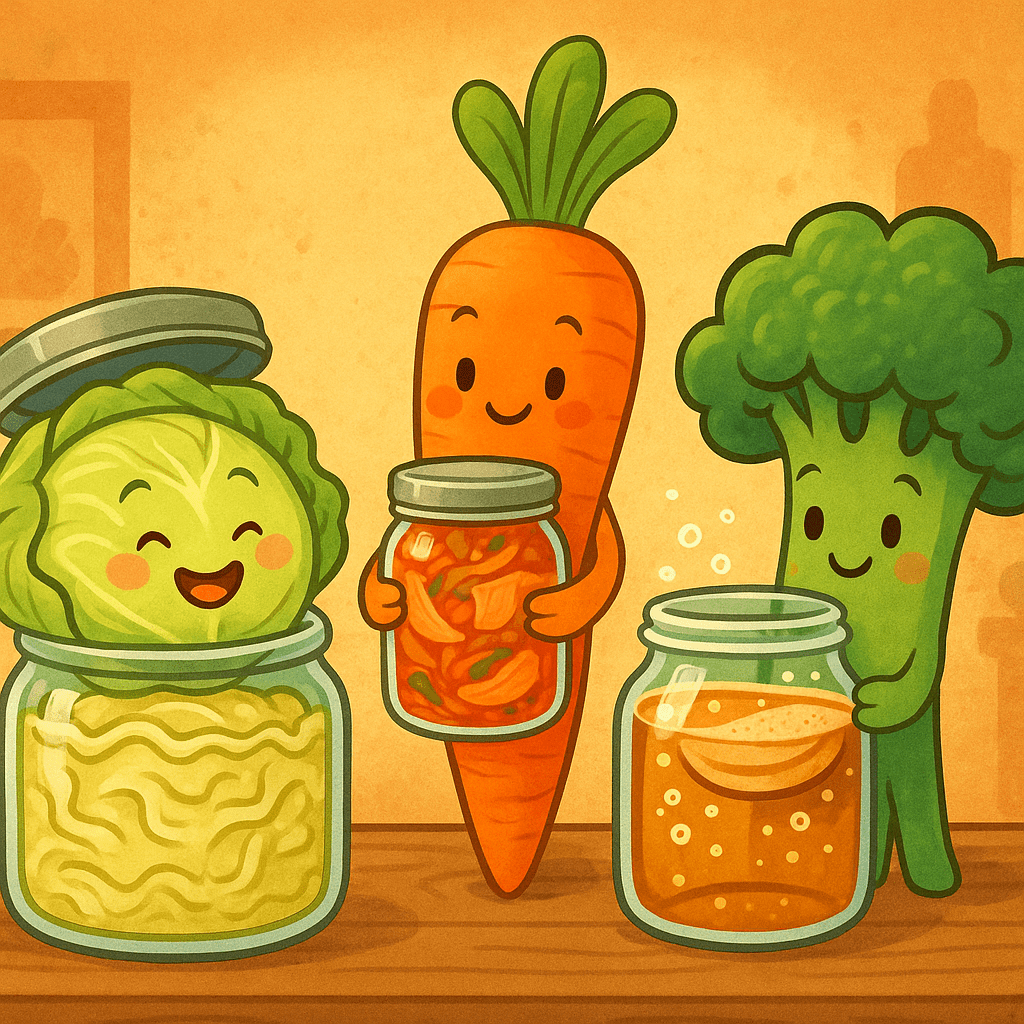
The Benefits of Vegetarianism for Gut Health
Vegetarianism is often highlighted for its environmental and ethical virtues. However, it is sometimes overlooked that a diet primarily based on plants can also contribute to better gut health. In this article, we will explore in detail the numerous benefits of a vegetarian diet on the digestive system, understand how the composition of our meals influences the microbiota, and discover good practices to optimize nutritional intake.
Introduction to Gut Health
Gut health is not limited to digestion alone. Indeed, the digestive tract performs a set of essential functions that affect both immune regulation and the production of certain vitamins. Our intestinal flora, also known as the microbiota, hosts billions of microorganisms (bacteria, yeasts, viruses), some of which are essential to our overall balance.
When we talk about gut health, several aspects are included:
- The balance of the microbiota (diversity of beneficial bacteria).
- The intestine’s ability to absorb nutrients.
- The integrity of the intestinal barrier, which protects the body against pathogens.
- The quality of transit (regularity and digestive comfort).
Many factors can influence the health of our intestines: age, lifestyle, genetics, stress, or even the intake of certain medications. However, diet remains one of the major levers to maintain a balanced microbiota. This is where vegetarianism can prove interesting.
Why a Vegetarian Diet Promotes Gut Health
Vegetarianism involves excluding meat and sometimes fish from one’s diet, often in favor of plants, grains, legumes, and dairy or eggs (depending on the variant). This transition to a primarily plant-based diet can have a positive impact on the gut on several levels.
1. Richness in Dietary Fiber
Dietary fibers are plant compounds that our body does not fully digest. They are mainly found in:
- Fruits.
- Vegetables.
- Whole grains.
- Legumes (lentils, chickpeas, beans, etc.).
- Nuts and seeds.
Fibers are essential for nourishing the “friendly” bacteria of the microbiota. By fermenting in the colon, they notably produce short-chain fatty acids (SCFA) such as butyrate, acetate, and propionate. These molecules play a key role in protecting the intestinal mucosa, regulating inflammation, and improving immune function.
2. Increased Intake of Protective Nutrients
A well-balanced vegetarian diet is generally rich in vitamins and minerals. Plants provide:
- Antioxidants (vitamins C, E, beta-carotene).
- Minerals (magnesium, potassium, non-heme iron).
- Phytonutrients (polyphenols, flavonoids).
These compounds have a recognized protective role against chronic inflammation, which can disrupt intestinal balance. Furthermore, these elements can help maintain proper immune system function, a significant part of which resides in the intestine.
3. Absence of Certain Additives Often Found in Processed Meat
Processed meats (bacon, sausage, etc.) are often loaded with additives like nitrate or nitrite. These substances, when consumed in excess, can alter the intestinal microbiota and increase the risk of digestive disorders. By opting for more plant-based dishes, one significantly reduces exposure to potentially harmful compounds for the intestinal flora.
4. Lower Intake of Saturated Fats
A diet rich in meat products is often associated with a high intake of saturated fats, which can contribute to inflammation. Although a balance between various types of fatty acids is needed, excessive consumption of saturated fats can harm the microbiota. A diversified vegetarian diet tends to favor unsaturated fats (omega-3, omega-6) mainly from vegetable oils, nuts, and seeds.
Focus on the Microbiota: A Complex Ecosystem
The intestinal microbiota refers to the microbial flora living in our digestive tract. To fully understand the impact of a vegetarian diet on this ecosystem, let’s recall some basic principles:
- Bacterial Diversity: The more diverse our microbiota, the better. A wide variety of bacterial species is associated with better balance and resilience against external aggressions (pathogenic bacteria, toxins, etc.).
- Protective Role: “Good” bacteria participate in educating the immune system, produce antimicrobial substances, and limit the proliferation of undesirable germs.
- Fiber Digestion: Bacteria ferment dietary fibers and derive energy from them, while producing beneficial metabolites for human health, such as short-chain fatty acids.
- Interaction with the Nervous System: The gut-brain axis is often mentioned through the vagus nerve. A healthy microbiota can positively influence mood and mental well-being.
Research shows that populations consuming more fruits and vegetables (for example, in South America or Africa) have a more diverse intestinal flora. Adopting a vegetarian diet can thus contribute to promoting this diversity, provided the diet is varied.
Fibers: Keys to Gut Health
To understand why vegetarianism is often beneficial for the gut, let’s turn to the notion of fibers. There are generally two main categories of fibers:
-
Soluble Fibers: They turn into a viscous gel upon contact with water and delay gastric emptying. They also help control blood sugar levels and reduce blood cholesterol levels. They are found in oats, barley, legumes, fruits (apples, pears), flaxseeds, etc.
-
Insoluble Fibers: They retain water and increase stool volume, thus facilitating intestinal transit. They are present in whole grains, wheat bran, certain vegetables (cabbage, spinach), etc.
A well-constructed vegetarian diet will provide both types of fibers in sufficient quantities. This improves digestive comfort, prevents constipation, and nourishes intestinal bacteria. However, fibers should not be consumed excessively all at once, as this can lead to bloating or gas, especially if one is not used to it. The increase in fiber intake should be gradual, ensuring adequate water intake.
Fermented Foods and Probiotics
Fermented foods also play an interesting role in balancing the intestinal flora. In a vegetarian diet, there are many products that can be consumed regularly:
- Kefir (milk or water-based).
- Kombucha (fermented tea drink).
- Miso (fermented soybean paste).
- Sauerkraut (lacto-fermented cabbage).
- Kimchi (Korean specialty of fermented vegetables).
- Tempeh (fermented soy).
Fermentation acts as a sort of predigestion, improving the bioavailability of certain nutrients while increasing the presence of probiotics (live bacteria). Regularly incorporating these foods into a vegetarian diet can help maintain the diversity of good bacteria in the microbiota.
Why Are These Foods So Interesting?
- High Probiotic Content: They provide the gut with beneficial bacterial strains (Lactobacillus, Bifidobacterium, etc.).
- Rich in Enzymes: These enzymes facilitate digestion, especially of proteins and complex carbohydrates.
- Unique Flavors: In addition to their benefits, they bring new flavors to vegetarian cuisine.
Concrete Benefits of a Balanced Microbiota
A healthy microbiota can translate into several concrete advantages for daily life:
- Better Digestion: Less bloating, gas, or abdominal pain, and more regular transit.
- Enhanced Immune Resistance: The intestine hosts a large number of immune cells, and a balanced flora limits the proliferation of pathogenic bacteria.
- Vitamin Production: Some intestinal bacteria synthesize B-group vitamins or vitamin K.
- Reduced Inflammation: Short-chain fatty acids produced by fiber fermentation can decrease inflammation at the intestinal wall level.
- Weight Balance: A healthy microbiota can interact with metabolism and help stabilize body weight.
Avoiding Pitfalls: Vegetarianism and Possible Deficiencies
To fully enjoy the benefits on gut health, attention must be paid to certain nutrients that may be more challenging to obtain in a vegetarian diet, especially if one is vegan. The most well-known are:
-
Vitamin B12: This vitamin is almost exclusively of animal origin. For vegetarians, it can be provided by eggs, milk, and some dairy products. For vegans, supplementation is often recommended, or the consumption of fortified products (cereals, fortified plant milks, enriched nutritional yeast).
-
Iron: Plant-based iron (non-heme iron) is less well absorbed than heme iron from meat. To optimize its absorption, it is advisable to combine plant-rich iron foods (lentils, red beans, spinach, etc.) with vitamin C-rich foods (citrus fruits, kiwis, peppers). Also, avoid consuming too much tea or coffee during meals, as these beverages can inhibit iron absorption.
-
Omega-3: It is recommended to consume flaxseeds, chia seeds, or walnuts, rich in alpha-linolenic acid (ALA), which should be ground or crushed to facilitate absorption. Rapeseed and flax oils are also interesting. However, the conversion of ALA to EPA and DHA (long-chain omega-3 fatty acids) is not always optimal for everyone, which may justify taking an algae-based supplement.
-
Calcium: Vegetarians can find calcium in green leafy vegetables (kale, broccoli), enriched tofu, almonds, and sesame seeds. Regular consumption of dairy products (depending on the type of vegetarianism practiced) or fortified plant milks can be useful.
-
Zinc: Present in legumes, nuts, seeds (pumpkin, sunflower), it is also important for the immune system and skin health. A varied diet generally covers zinc needs, but particular attention is necessary during the early years of vegetarian transition or during growth.
Adopting a vegetarian diet does not mean depriving oneself of essential nutrients, provided a diversity of foods is chosen and any necessary supplementation is ensured.
Examples of Vegetarian Dishes Beneficial for the Gut
To optimize the benefits of vegetarianism on your intestinal flora, it is useful to vary plant sources as much as possible and include fermented foods. Here are some meal ideas:
-
Buddha Bowl with Lacto-fermented Vegetables
- Base of quinoa or brown rice.
- Seasonal roasted vegetables (sweet potato, broccoli, etc.).
- Curry-spiced chickpeas.
- A portion of fermented vegetables (sauerkraut, kimchi).
- Tahini and lemon sauce.
-
Miso Soup with Mushrooms and Tofu
- Miso-based broth (rich in probiotics).
- Finely chopped mushrooms, carrots, and leeks.
- Firm tofu diced.
- Rice vermicelli as desired.
- A few toasted sesame seeds for garnish.
-
Complete Salad with Raw Vegetables and Sprouted Seeds
- Lamb’s lettuce or fresh spinach.
- Sprouted lentils or sprouted seeds (alfalfa, radish).
- Various raw vegetables (tomatoes, cucumbers, grated carrots).
- Avocado and pumpkin seeds.
- Dressing with rapeseed oil (omega-3 source) and lemon juice.
-
Vegetable and Chickpea Curry with Mild Spices
- Carrots, potatoes, cauliflower, squash, or eggplants (depending on the season).
- Precooked chickpeas.
- Spices (turmeric, cumin, coriander).
- Coconut milk or vegetable broth.
- Served with whole basmati rice.
-
Marinated and Pan-fried Tempeh
- Tempeh rich in plant proteins and probiotics.
- Marinade with soy sauce, ginger, garlic, maple syrup.
- Accompanied by steamed or roasted vegetables and a whole grain (brown rice, buckwheat).
These few ideas illustrate how, in a vegetarian diet, legumes, whole grains, vegetables, and fermented foods can be effectively combined. The key is to vary food sources to benefit from different types of fibers, nutrients, and probiotic strains.
Practical Tips to Optimize Gut Health
Your gut health depends on the quality, variety, and consistency of your diet over the long term. Here are some tips to make your vegetarian diet even more beneficial for your microbiota:
- Vary Your Sources of Plant Proteins: Combine legumes (lentils, peas, beans), whole grains, and nuts throughout the week.
- Incorporate Fermented Foods: Plan one or two servings of fermented foods (kefir, sauerkraut, tempeh) each day or several times a week.
- Monitor Your Consumption of Refined Sugars: Fast sugars can unbalance the microbiota and promote inflammation. Favor natural sugars from fruits and limit ultra-processed products.
- Stay Properly Hydrated: Fibers need water to perform their role well. Aim for 1.5 to 2 liters of water per day on average (excluding specific situations like intense sports or heatwaves).
- Gradual Introduction of Fibers: If you are not used to consuming many plants, gradually increase your portions of fruits, vegetables, and whole grains.
- Pay Attention to Oil Quality: Use cold-pressed oils rich in omega-3 (rapeseed, flax) for seasoning.
- Manage Your Stress: Chronic stress can disrupt the microbiota balance. Practices like meditation, yoga, or outdoor walks can help reduce the impact of stress on the gut.
- Diversify Cooking Methods: Steaming, roasting, stewing, and consuming raw foods help vary the texture and bioavailability of nutrients.
Impact of a More Global Lifestyle
Gut health does not depend solely on diet. Getting enough sleep, engaging in regular physical activity, and maintaining manageable stress levels also contribute to better balance. A significant portion of serotonin (the hormone associated with good mood) is produced in the gut, showing the close link between mental and digestive health.
Moreover, vegetarianism often fits into a more global lifestyle approach, respectful of the environment and oneself. People adopting this dietary mode generally pay more attention to the quality of their food and the diversity of their menus.
Conclusion
The benefits of vegetarianism for gut health are numerous. By favoring fiber-rich foods, varied sources of plant proteins, and fermented products, we directly support our microbiota. We gain in digestive comfort and strengthen the immune system, while maximizing the chances of preventing chronic inflammation and various intestinal disorders.
However, as with any diet, it is crucial to ensure the quality and variety of ingredients, as well as any necessary supplementation (vitamin B12 and others). A well-constructed vegetarian diet can not only preserve the planet and address ethical concerns but also significantly improve our daily well-being. By listening to our body and providing the right combination of nutrients, we will calmly move towards better gut health and overall life balance.