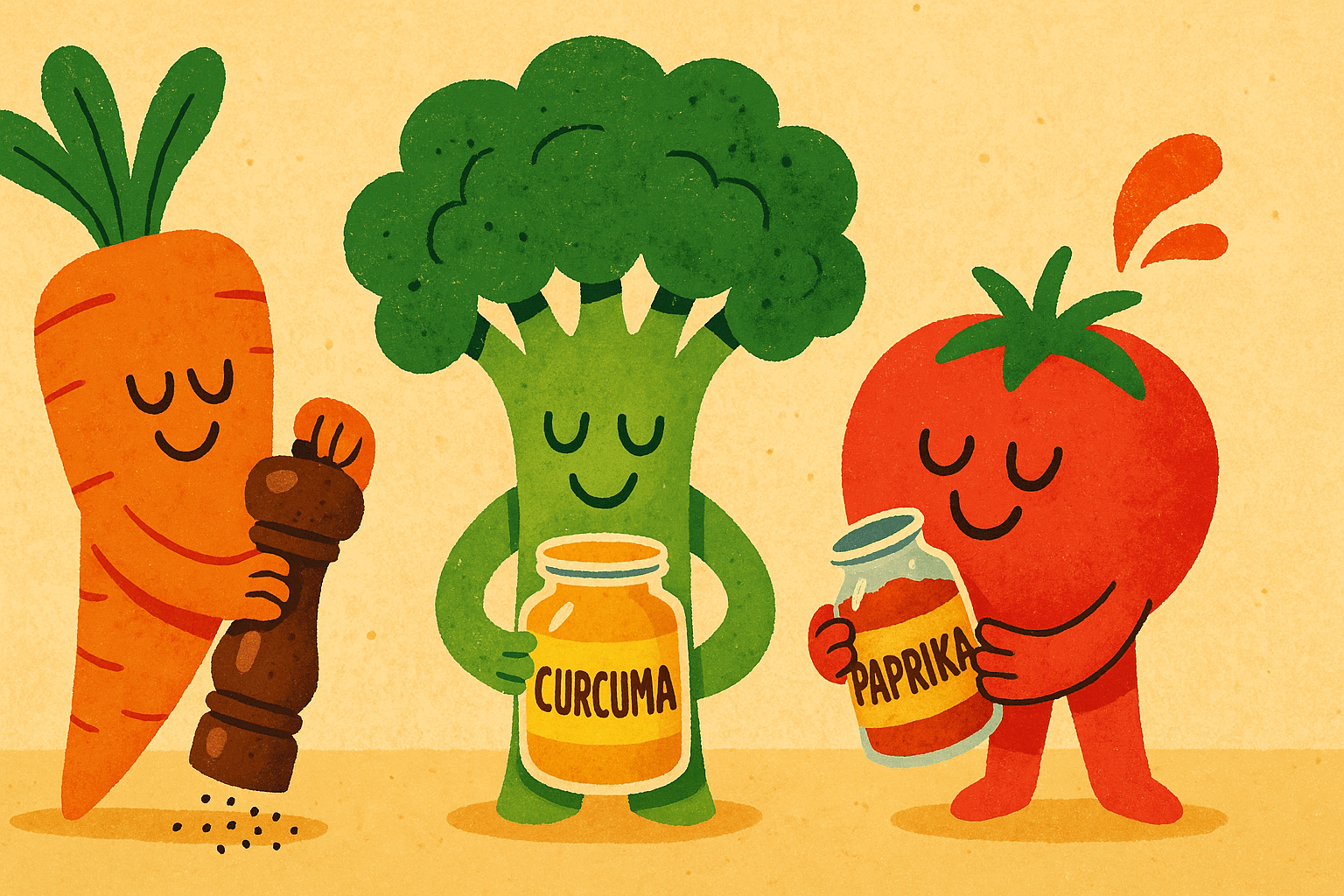
Easy Vegetarian Sauce Recipes to Enhance Your Dishes
Sauces play an essential role in cooking, as they enhance the flavor and texture of our dishes. In a vegetarian diet, it can sometimes be challenging to find rich and creamy sauces that contain neither meat nor fish. Fortunately, there are many tasty and easy alternatives to make. In this article, we offer various vegetarian sauce recipes suitable for all occasions, along with tips on how to prepare, store, and adapt them to your preferences. You will discover how simple ingredients like vegetables, legumes, herbs, or creamy bases without animal products can create a multitude of flavors to accompany your favorite dishes.
1. Why Opt for Vegetarian Sauces
Adopting a vegetarian diet does not mean giving up indulgence. On the contrary, maintaining a variety of flavors and textures is essential to continue enjoying and diversifying your meals. Vegetarian sauces offer several advantages:
- They are economical as they often use basic ingredients like vegetables, legumes, herbs, and spices.
- They allow you to control the quality and quantity of the ingredients you use. Say goodbye to additives and flavor enhancers found in industrial sauces.
- They are easy to customize according to your tastes, dietary needs, and culinary creativity.
- They store well and most can be frozen, allowing you to prepare larger quantities in advance.
Sauces are thus a key element in a vegetarian diet. They provide a final touch and enhance the taste of simple foods such as pasta, rice, grilled or roasted vegetables, tofu or seitan dishes, as well as gratins and savory pies.
2. Essential Basics for Successful Vegetarian Sauces
To make successful sauces, it is important to understand a few basic principles:
- Flavor Balance: It’s about juggling between sour, sweet, salty, bitter, and umami. Herbs, spices, vinegars, and condiments (mustard, soy sauce, nutritional yeast, etc.) are great allies to achieve this balance.
- Texture: A creamy sauce can be achieved with plant-based ingredients such as soy cream, oat cream, coconut milk, or avocado. Thickened sauces (based on flour, cornstarch, or potato starch) also create smoothness.
- Choice of Fats: Extra virgin olive oil, canola oil, sesame oil, or vegetable margarine should be carefully selected for optimal taste and nutritional results.
- Cooking and Reduction: Sweating aromatics (onions, garlic, shallots) before adding other ingredients helps release their flavors. Controlled reduction of the sauce concentrates the taste.
- Storage: Most vegetarian sauces can be stored in the refrigerator in an airtight jar for a few days. You can also freeze your sauces in small individual containers for later use.
3. Herb-Infused Tomato Sauce Recipe
Tomato sauce is a classic that pairs wonderfully with pasta, lasagna, stuffed vegetables, or grains. In its vegetarian version, we use aromatics and olive oil for a rich and fragrant taste.
Ingredients (for about 4 servings)
- 1 kg of ripe tomatoes (or 2 cans of crushed tomatoes if out of season)
- 2 tablespoons of olive oil
- 1 chopped onion
- 2 cloves of minced garlic
- 1 tablespoon of tomato paste
- 1 teaspoon of sugar (optional, if the acidity is too pronounced)
- 1 sprig of fresh thyme or 1 teaspoon of dried thyme
- A pinch of dried basil (or a few fresh basil leaves added at the end of cooking)
- Salt and pepper to taste
Preparation
- Heat the olive oil in a saucepan over medium heat. Add the onion and sauté for about 5 minutes until it becomes translucent.
- Stir in the minced garlic, let it cook for an additional minute to release the aromas.
- Add the chopped tomatoes (or crushed tomatoes), along with the tomato paste, thyme, basil, salt, pepper, and optionally the sugar to balance the acidity.
- Let simmer over low heat for 20 to 30 minutes. The longer you let the sauce simmer, the more concentrated the flavors will be.
- Taste and adjust the seasoning according to your preferences.
- You can blend the sauce for a smooth texture or keep it with small tomato pieces for a rustic look.
Serving Tips
- This sauce pairs perfectly with pasta, gnocchi, or rice.
- Serve it over a bed of roasted vegetables (zucchini, eggplant, peppers) for a complete Mediterranean dish.
- Add chili for a spicy kick.
4. Vegetarian Pesto Sauce Without Parmesan
Traditional pesto contains parmesan, but it is entirely possible to do without it for a 100% vegetarian version (and even vegan if no other animal products are used). We retain the freshness of basil and the unique taste of pine nuts.
Ingredients (for 4 servings)
- 2 generous handfuls of fresh basil leaves
- 2 tablespoons of pine nuts
- 1 clove of garlic (optional if you don’t like raw garlic)
- 3 to 4 tablespoons of olive oil
- 1 tablespoon of nutritional yeast (for a slight cheesy taste)
- Salt and pepper
Preparation
- In a blender or mortar, place the fresh basil, pine nuts, and garlic if desired.
- Start blending or crushing the mixture, then gradually add the olive oil until you achieve a smooth and creamy consistency.
- Add the nutritional yeast, salt, and pepper, then taste. Adjust the seasoning if necessary.
Variations and Tips
- Replace pine nuts with almonds, cashews, or walnuts to vary flavors and budgets.
- Use arugula or fresh spinach instead of basil for an original green sauce.
- Serve this pesto on pasta, in sandwiches, or as a base for a vegetarian pizza.
5. Creamy Mushroom Sauce
A creamy mushroom sauce is ideal for accompanying pasta, rice, grain patties, veggie steaks, or enhancing sautéed potatoes. Its deep flavor will delight mushroom lovers and add a gourmet touch to any dish.
Ingredients (for 4 servings)
- 350 g of button mushrooms (or a mix of mushrooms depending on the season)
- 1 chopped onion
- 1 clove of minced garlic
- 2 tablespoons of olive oil
- 200 ml of plant-based cream (soy, oat, almond)
- 1 tablespoon of soy sauce (optional)
- Salt and pepper
Preparation
- Clean and slice the mushrooms.
- Heat the oil in a pan and add the onion. Sauté until translucent.
- Stir in the garlic and then the mushrooms, cook over medium heat until the mushroom water has evaporated.
- Add the plant-based cream and soy sauce to enhance the flavor. Let simmer over low heat for a few minutes.
- Season with salt, pepper, and adjust according to your preferences.
Tip
- For extra creaminess, let the sauce simmer a few more minutes and add a teaspoon of cornstarch previously dissolved in a little water.
- Fresh herbs like parsley or chives can be added at the end of cooking.
6. Coconut Milk and Curry Sauce
Fans of exotic cuisine will enjoy this original and fragrant sauce. Coconut milk brings a sweetness that contrasts well with the intensity of the spices. This sauce pairs perfectly with roasted vegetables, legumes (chickpeas, lentils), or plant proteins like tofu or tempeh.
Ingredients (for 4 servings)
- 200 ml of coconut milk
- 1 chopped onion
- 2 cloves of minced garlic
- 1 tablespoon of curry paste (or 1 teaspoon of curry powder)
- 1 tablespoon of vegetable oil
- 1 teaspoon of grated fresh ginger (optional)
- Salt and pepper
Preparation
- Sauté the onion and garlic in oil over medium heat until lightly golden.
- Add the grated ginger if using, then the curry paste. Toast the spices briefly to release their aromas.
- Stir in the coconut milk and let simmer over low heat for 5 to 10 minutes.
- Season with salt and pepper.
Tips
- If your sauce is too liquid, let it reduce a bit longer.
- You can add diced vegetables (tomatoes, peppers, carrots) to make a more complete sauce.
- Feel free to vary the spices (coriander, cumin, paprika) to play with different flavors.
7. Sweet and Savory Peanut Sauce
Deliciously creamy and slightly sweet, peanut sauce finds its place in many Asian and African-inspired cuisines. It pairs perfectly with steamed vegetables, stir-fried noodles, and tofu skewers. Its creamy texture will delight gourmets.
Ingredients (for 4 servings)
- 3 tablespoons of peanut butter (preferably unsweetened)
- 2 tablespoons of soy sauce
- 1 tablespoon of maple syrup or coconut sugar
- 1 teaspoon of apple cider vinegar or lemon juice
- 1 clove of minced garlic (optional)
- A few pinches of chili powder (optional)
- A few tablespoons of water to adjust consistency
Preparation
- In a bowl, mix the peanut butter, soy sauce, and maple syrup or coconut sugar.
- Add the apple cider vinegar or lemon juice for a touch of acidity, as well as the minced garlic and chili if desired.
- Gradually incorporate a bit of water to dilute the sauce until you reach the desired consistency.
- Taste and adjust the seasoning in salt, sweetness, or acidity according to your preferences.
Variations
- Replace peanut butter with almond or cashew butter for a change in flavor.
- Add a bit of coconut milk for a richer taste.
8. Plant-Based Béchamel Sauce
Who said béchamel was reserved for dishes containing butter and cow’s milk? It is very simple to prepare a plant-based version of this legendary sauce. It will be perfect for gratins, lasagna, and vegetarian croque-monsieur.
Ingredients (for 4 servings)
- 40 g of vegetable margarine or olive oil
- 40 g of wheat flour
- 500 ml of plant-based milk (oat, soy, rice)
- Salt, pepper, and nutmeg
Preparation
- In a saucepan, melt the vegetable margarine over low heat or gently heat the olive oil.
- Add the flour all at once and mix vigorously with a whisk. The mixture should come away from the sides.
- Gradually pour in the plant-based milk while whisking to avoid lumps.
- Continue cooking over medium heat until the sauce thickens.
- Season with salt, pepper, and a pinch of nutmeg.
Tips
- For a creamier and more indulgent béchamel, you can add a tablespoon of nutritional yeast.
- Adjust the amount of milk according to the consistency you are looking for.
9. Storage and Organization Tips
The secret to fully enjoying your vegetarian sauces is to prepare them in larger quantities, then store them so you always have some on hand:
- Airtight jars in the refrigerator: most sauces keep for 3 to 5 days under good conditions. Before storing, let them cool and pour them into clean, airtight jars.
- Freezing: for longer storage, you can freeze your sauces in small containers or ice cube trays for individual portions. This allows you to defrost only the amount needed.
- Kitchen organization: prepare several sauces in one session. For example, make tomato sauce, curry sauce, and béchamel sauce on the same day. This way, you will have a varied choice to accompany your meals for the week.
10. Original Ideas for Even More Flavorful Sauces
Once you master the basics, you can have fun creating your own flavor blends. Here are some ideas to go further:
- Incorporate roasted vegetables into the sauce: add carrots, peppers, butternut squash, or even roasted eggplant blended to add color and smoothness.
- Play with seeds and nuts: use nuts, sesame seeds, pumpkin seeds, or dried cranberries. They will add texture and additional nutrients.
- Bet on fresh aromatics: chives, coriander, parsley, mint, tarragon, dill… each herb brings a distinct and subtle fragrance.
- World spices: vary your curries, expand the spices (smoked paprika, masala, cumin, mustard seeds, etc.) to travel with each meal.
11. Enhance Your Dishes with Sauces in Every Season
Vegetarian cuisine is far from boring if you know how to spice it up with flavorful sauces. Do not hesitate to adapt to the seasons to benefit from fresh and tasty ingredients. In summer, opt for sauces based on seasonal vegetables (tomatoes, zucchini, peppers) and fresh herbs. In winter, favor creamy and comforting sauces, garnished with root vegetables, which pair well with more substantial dishes.
Some Menu Examples
- Summer Menu: Fresh pasta salad accompanied by vegetarian arugula pesto, oven-roasted vegetables with a bold tomato sauce on the side, followed by a light dessert with red fruits.
- Winter Menu: Pumpkin soup served with a drizzle of plant-based cream and pine nuts, then pasta and mushroom gratin topped with a plant-based béchamel sauce, followed by an apple crumble.
12. Nutritional Benefits of Vegetarian Sauces
In addition to the taste aspect, vegetarian sauces allow you to add an extra dose of nutrients to your dishes:
- Vitamin and mineral intake: The use of herbs, vegetables, and legumes in your sauces provides essential micronutrients for good health.
- Rich in fiber: Sauces based on vegetables, legumes, or nuts contribute to fiber intake, favorable for maintaining good intestinal transit.
- Less saturated fat: Vegetarian sauces emphasize healthy vegetable oils (olive, canola, flax) and plant-based milks, thus reducing the proportion of saturated fats compared to some traditional sauces rich in butter or animal cream.
- Plant proteins: Sauces based on legumes, silken tofu, or nuts contribute to protein intake, essential for a balanced vegetarian diet.
13. Conclusion
Vegetarian sauces open up unlimited horizons of culinary creativity. They allow you to transform simple dishes into real feasts by playing with flavors, textures, and colors. Whether you are a beginner cook, a busy amateur, or a gastronomy enthusiast, these recipes are accessible to all. They adapt to each season and occasion, while remaining healthy and balanced.
With these storage and organization tips, you can prepare several sauces in advance and vary the pleasures throughout the week. No more relying on industrial sauces often too rich in salt, sugar, and additives. You are now equipped to concoct fragrant and tasty sauces, ideal for enhancing all your vegetarian dishes.
Take the time to experiment and play with spices, herbs, and key components like legumes, nuts, and plant-based milks. You’ll see, the world of vegetarian sauces is incredibly vast and knows how to adapt to every palate.
Whether you want to enhance a simple rice dish, give a gourmet dimension to a gratin, or offer an Asian touch to your plate, there will always be a vegetarian sauce within your reach. All that’s left is to get cooking and let your imagination run wild. Enjoy your meal and happy discoveries!