The Art of Homemade Curry: Paste, Spices, Coconut Milk
Curry is one of those timeless dishes that combines warmth and exoticism. In many culinary cultures around the world, it is a flavorful, aromatic preparation that is often easy to customize. For vegetarians, curry is a perfect ally: it can be adapted almost infinitely and highlights all kinds of vegetables, legumes, and spices. Whether you are already a big fan of curry or you want to try preparing your very first dish, this guide is for you. We will explore the different ways to make homemade curry paste, the essential spices, and the use of coconut milk which brings a delicious creaminess. The art of homemade curry may seem daunting at first, but once you master the basics, your creativity can fully express itself.
What is Curry?
The term curry can refer to:
- A blend of dried or paste spices.
- The saucy dish that results after adding various ingredients (vegetables, legumes, tofu, etc.).
In Asian cuisine, there are countless curries with infinite variations depending on the country, region, and even family. Thanks to their rich aromas and versatility, these dishes fit perfectly into a vegetarian or vegan diet.
In India, curry often takes the form of a spicy tomato sauce based on masala, garnished with vegetables and served with rice or flatbread (chapati, naan, roti). In Thailand, curry can be green, red, or yellow depending on the curry paste used and is often prepared with coconut milk. Each culinary tradition uses its own signature spices and preparation techniques. Behind these varieties lies the same idea: to enhance simple ingredients with a unique combination of aromas.
Elements of a Successful Curry
The keyword that sums up the spirit of curry is balance. A good curry results from a harmony between salty, sweet, sour, bitter, and umami. This harmony is built by skillfully adjusting different ingredients with a base or binder that will give a smooth, creamy, or slightly liquid texture. Let’s discover together the three key elements for a successful curry: the paste, the spices, and the coconut milk.
Curry Paste
In many Asian recipes, curry paste is the soul of the dish. It usually consists of:
- Fresh or dried chilies.
- Garlic and onion or shallot.
- Ginger or galangal.
- Aromatic herbs (coriander, Thai basil, kaffir leaves).
- Spices (cumin, ground coriander, turmeric, etc.).
When making your own curry paste, you pound or blend the aromatic base (chili, garlic, onion, ginger), then gradually add the spices. You can adjust the proportions to your taste. In most Thai curry dishes, there are three main pastes to know:
- Green curry paste: often considered the spiciest. Its freshness comes from green chilies, coriander, and Thai basil.
- Red curry paste: the most common. It offers a spicy and slightly sweet taste thanks to red chilies and paprika.
- Yellow curry paste: milder, enriched with turmeric for a bright color and warm aroma.
To save time, you can also buy these pastes in Asian grocery stores. However, making a homemade version is more rewarding and often of better taste quality. For a vegetarian curry, be sure to choose or make a curry paste without dried shrimp or fish paste (often used in traditional Thai recipes). A vegan version will allow fans of animal-free dishes to fully enjoy the explosion of flavors.
Essential Spices
Spices are the key to transforming a simple vegetable stew into a curry bursting with flavors. Some spices are the essential base of many curries:
- Cumin: with earthy and warming notes.
- Ground coriander: brings a slight lemony aroma.
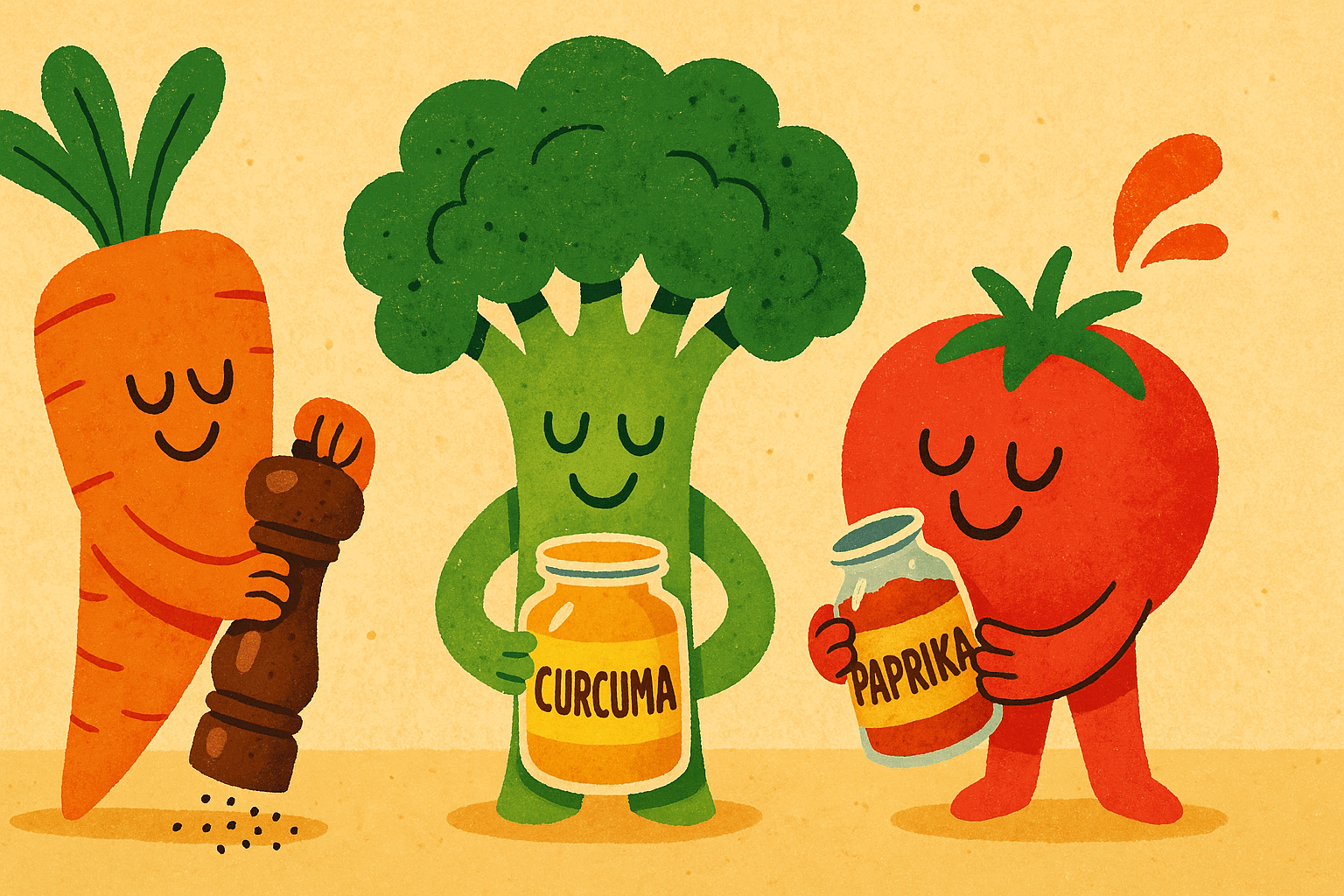
- Turmeric: adds color and a slight peppery taste.
- Paprika: enhances color and adds sweetness.
- Ginger: fresh or powdered, to spice up the preparation.
Feel free to personalize your mix with cardamom, cloves, fenugreek, or cinnamon, according to traditions and your preferences. Ideally, keep your spices whole and grind them at the last moment to preserve their aromas. You can also quickly toast your whole spices in a hot dry pan before grinding them to release even more flavors.
Coconut Milk
The third pillar of many curries is undeniably coconut milk. It offers a pleasant creaminess and softens the heat of the spices while adding a subtle sweet note. Choose quality coconut milk, preferably canned or in a carton without unnecessary additives. “Light” versions contain less fat but also provide less creaminess. Generally, the richer the coconut milk, the more velvety the sauce will be.
If you don’t particularly like the taste of coconut, you can replace coconut milk with a nut puree (almond, cashew, sesame) diluted in water, or with a more neutral plant milk (such as soy milk). Similarly, adding cream or cow’s milk is not mandatory for non-vegans, but be aware that it will slightly alter the flavor profile of your curry.
The Best Vegetables for a Vegetarian Curry
Another major advantage of curry: it allows you to endlessly vary the vegetables you want to cook. Depending on the season and your desires, you can mix different colors and textures. Here are some ideas:
- Root Vegetables: carrots, parsnips, beets, and potatoes provide a comforting touch and add slight sweetness.
- Squashes: butternut, pumpkin, or sweet potato pair wonderfully with coconut milk and the spicy taste of curry paste.
- Green Vegetables: broccoli, zucchini, green beans, and snow peas add a touch of freshness and color.
- Tomatoes: fresh or canned, they often feature in Indian-inspired curries to add a tangy note.
- Eggplants: their melting texture is perfect for absorbing spicy aromas.
Legumes like chickpeas, lentils (red or green), and kidney beans also integrate wonderfully into a curry as they help make it a complete and nourishing dish. Feel free to combine vegetables and legumes to further balance the nutritional properties.
Preparing Homemade Curry Paste
For a curry with character, everything starts with a good homemade curry paste. Here is a simple recipe for vegetarian red curry paste, which serves as a base for many dishes:
Ingredients
- 8 dried red chilies, rehydrated in hot water
- 1 medium onion or 2 shallots
- 4 cloves of garlic
- 1 piece of fresh ginger (2 cm)
- 1 teaspoon ground cumin
- 1 teaspoon ground coriander
- 1 teaspoon sweet paprika
- 1 teaspoon salt
- 1 tablespoon vegetable oil (coconut or sesame)
- 1 tablespoon soy sauce or tamari (for a gluten-free version)
Preparation Steps
- Drain the dried chilies, then remove the seeds if you prefer a less spicy curry.
- In a blender or food processor, place the chilies, coarsely chopped onion, garlic, ginger, ground spices, and salt.
- Add the vegetable oil and soy sauce or tamari.
- Blend until you obtain a smooth paste. Depending on the power of your blender, you may need to add a splash of water to facilitate the process.
Your homemade curry paste can be stored in the refrigerator for a week in an airtight jar or frozen in an ice cube tray for later use. This method is very practical for adjusting the amount of curry paste you need.
Curry Cooking Method
There is a fairly classic process for preparing a curry. You can be inspired by it or follow it to the letter, depending on your level of experience:
- Sauté the Aromatics: Heat a little oil in a deep pan or pot. Add onion and whole spices (such as cumin or mustard seeds) to develop their aromas.
- Incorporate the Curry Paste: Once the aromatics are slightly golden, add your curry paste. Let it release its aromas for a few minutes while stirring regularly. Be careful not to let it burn.
- Add Vegetables and/or Legumes: Incorporate the chopped vegetables or legumes (cooked chickpeas, lentils, etc.). Mix well to coat everything with curry paste.
- Pour in the Coconut Milk (or another binder): Cover the vegetables with coconut milk. If necessary, add a little water or vegetable broth to achieve the desired consistency.
- Simmer: Partially cover, then cook over low or medium heat until the vegetables are tender. If needed, adjust the seasoning (salt, sweetness with a bit of sugar, acidity with a splash of lemon juice, spiciness with a hint of extra chili).
- Finishing Touches: A few minutes before the end of cooking, you can add fresh herbs (coriander or basil) and a splash of lime or lemon juice for a tangy contrast.
Tips for a Always Successful Curry
- Taste Regularly: Tasting is crucial. Taste your sauce to adjust the balance of flavors. Is it lacking salt? Do you need a small touch of sweetness (a hint of coconut sugar or maple syrup)? Should you spice it up with chili flakes?
- Master the Texture: If your curry is too liquid, let it reduce over medium heat to evaporate the excess water. If it’s too thick, you can add a little water, vegetable broth, or extra coconut milk.
- Care for Presentation: A beautiful curry is not only tasty, it’s also colorful. Play with the variety of vegetables (greens, oranges, yellows, purples) and sprinkle the dish with fresh herbs or nuts (roasted peanuts, sliced almonds).
- Vary the Accompaniments: Curry is traditionally served with rice (basmati, Thai, or whole). However, it pairs very well with quinoa, flatbread, or even udon noodles for an Asian fusion touch.
Curry Variations
Chickpea and Spinach Curry
This version highlights delicious Indian flavors. First, sauté cumin seeds in oil, add chopped onions and a spoonful of garam masala with fresh ginger. Incorporate cooked chickpeas, a crushed tomato, and a glass of water. Let it simmer before adding a good amount of fresh or frozen spinach. Adjust the seasoning and serve with basmati rice. This recipe, rich in plant proteins, is particularly comforting.
Thai Red Vegetable Curry
Thai red curry is one of the most popular varieties. Sauté garlic, onion, and a bit of red curry paste in oil. Incorporate crunchy vegetables like carrots, green beans, bell peppers, or zucchini. Pour in the coconut milk and let it simmer until the vegetables are tender. For a more protein-rich side, add fried tofu cubes or tempeh. Enhance with Thai basil, a splash of lime juice, and sprinkle with crushed peanuts when serving.
Green Curry with Green Vegetables
Ideal for fans of slightly spicy and very aromatic dishes. Green curry paste often consists of green chilies, lemongrass, coriander, and kaffir leaves. Add your favorite green vegetables (peas, broccoli, asparagus, zucchini, green beans, etc.), pour in the coconut milk, and let it simmer. Serve with Thai rice and enjoy a colorful dish.
Yellow Curry with Potatoes and Cauliflower
Yellow curry is characterized by a milder and warmer flavor thanks to the presence of turmeric and fenugreek. Sauté onion, ginger, and yellow curry paste. Add diced potatoes and cauliflower florets. Brown them for a few moments, then pour in enough coconut milk or broth to cover them. Let it simmer until the potatoes are tender. Finish by sprinkling with fresh coriander.
Optimizing Your Curry for Health
If it’s already possible to cook a tasty curry, why not also take advantage of its nutritional benefits? Here are some tips for cooking a healthy and balanced curry:
- Increase Vegetable Variety: The more you diversify the vegetables, the more you’ll get a spectrum of micronutrients. Thus, you’ll benefit from essential vitamins, minerals, and antioxidants.
- Reduce Saturated Fats: If you’re watching your fat intake, opt for light coconut milk or limit yourself to a small amount of full-fat coconut milk and complete with water or broth.
- Add Legumes: Chickpeas, lentils, and beans are sources of plant proteins and contribute to satiety. Regularly incorporating legumes into your curries will make them more complete.
- Salt in Moderation: Soy sauce or tamari can be salty enough. Taste your dish before adding salt. Additionally, some store-bought curry pastes already contain salt.
- Choose Beneficial Spices: Turmeric, ginger, garlic, and cumin are known for their anti-inflammatory and digestive properties. Spices thus offer a double advantage: flavor and health.
Elements to Enhance Your Dish
To give your curry a little extra, try some original and tasty garnishes:
- Toasted Nuts and Seeds: sliced almonds, sesame seeds, or cashews add crunch and nutritional enrichment.
- Fresh Herbs: coriander, Thai basil, scallions, or even mint add freshness and color.
- Citrus Juice: a splash of lime or lemon balances the richness of coconut milk.
- Plant-based Yogurt or Chutney: a spoonful of coconut plant-based yogurt or mango chutney enhances the dish’s flavor and contrasts with the spiciness.
- Additional Spices or Chilies: for fans of very spicy cuisine, a few slices of fresh chili on top will make all the difference.
Conclusion
Curry is a generous dish that shines thanks to its explosive flavors and great flexibility. With careful preparation of the paste, a careful selection of spices, and creamy coconut milk, you can cook an unforgettable vegetarian curry. The vegetables and legumes of your choice will form the backbone of this dish, and you will be free to experiment with many variations whenever the mood strikes.
Feel free to embark on making your own curry paste. You will sharpen your palate and develop a better understanding of the flavors that form the basis of a successful curry. The variations are endless: Indian-inspired curry with chickpeas and spinach, Thai red curry enhanced with basil and coconut, green curry filled with crunchy green vegetables, or comforting yellow curry that highlights potatoes and cauliflower.
Finally, remember that a good curry is not limited to a list of ingredients. It is above all based on the balance of flavors, the quality of the products, mastered cooking, and your boldness to try new combinations. By refining your technique, you’ll discover that cooking homemade curry is very rewarding and allows you to share a true moment of conviviality. Let your culinary curiosity express itself and explore all the subtleties that the art of homemade curry offers. Enjoy and happy cooking!