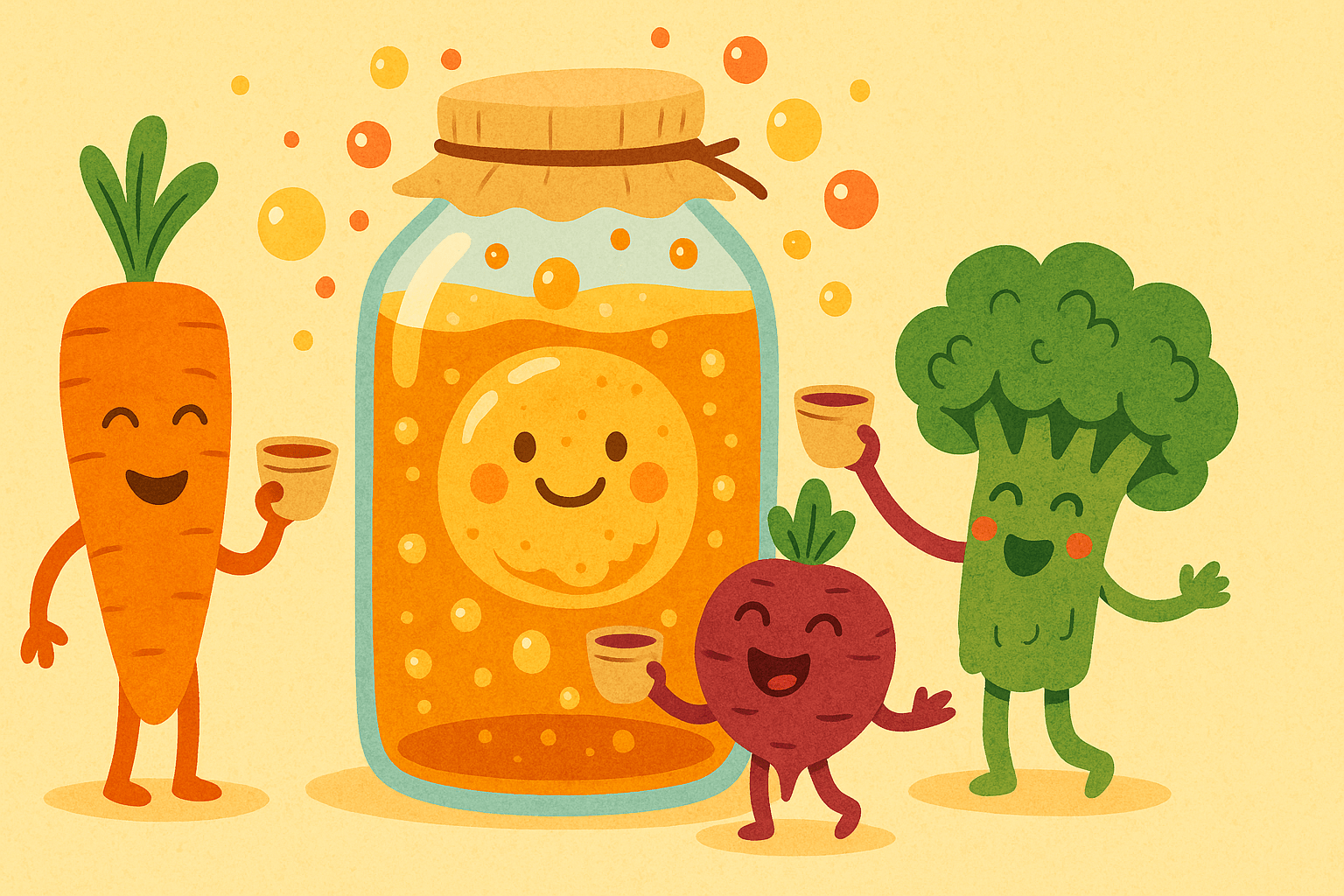
Homemade Water Kefir & Ginger Beer
Introduction
Fermented drinks are becoming increasingly popular, and for good reason: they not only bring flavor but also numerous health benefits. Among them, water kefir and ginger beer (also known as ginger ale, even though its production does not involve strong alcohol) are gaining real enthusiasm. These two drinks are easy to prepare at home, ideal for those who follow a vegetarian diet or anyone looking for healthy alternatives to industrial sodas.
In this article, you will discover everything you need to know to make homemade water kefir and ginger beer. We will explore their characteristics, health benefits, and of course, the preparation steps. You will also find tips to adjust your recipes, as there are many possibilities for customization. Get ready to become an expert in fermented drinks!
What is Water Kefir?
Water kefir is a sparkling probiotic drink obtained by fermenting kefir grains in sugary water. Unlike the more well-known milk kefir, water kefir does not involve dairy products and is therefore perfect for those who do not consume animal milk or follow a vegan diet. Water kefir grains are composed of a natural mix of bacteria and yeasts beneficial to our body.
Origin and Characteristics
Historically, the origin of milk kefir is located in the Caucasus regions, although water kefir is believed to have appeared in various warm regions like Mexico. Water kefir grains are translucent and appear as small gelatinous crystals. When they ferment, they transform natural sugar into carbon dioxide (which gives a slight effervescence), organic acids, and various aromatic compounds.
Health Benefits of Water Kefir
Water kefir offers several health benefits, especially within a vegetarian diet:
-
Improvement of Intestinal Flora
Kefir is rich in probiotics that help maintain a healthy balance of microorganisms in the intestine. This balance plays an essential role in digestion and nutrient absorption. -
Healthy Alternative to Sugary Drinks
Although the recipe requires sugar, a good portion is metabolized by microorganisms during fermentation. The result: the final drink is less sweet than conventional sodas. -
Nutrient Supply
Water kefir grains contain B vitamins and minerals (such as magnesium and calcium), although the content may vary depending on fermentation conditions. -
Suitable for Lactose-Free Diets
People intolerant to lactose can turn to water kefir without worry, as it contains no dairy products.
Obtaining Water Kefir Grains
To start the preparation, you will need water kefir grains. You can:
- Receive them from a friend: it is common for kefir enthusiasts to share their grains, as they multiply over time.
- Buy them online: many specialized sites offer dehydrated or fresh grains.
- Find them in organic stores: some shops sell ready-to-use kits containing grains and basic instructions.
Basic Ingredients for Water Kefir
For a first try, plan:
- 1 liter of spring or filtered water (avoid chlorinated water)
- 20 to 40 g of sugar (preferably whole cane sugar)
- 3 tablespoons of water kefir grains
- A few dried fruits (e.g., dried figs, dried apricots, or raisins)
- The juice of half a lemon (optional, but adds a pleasant slight acidity)
Steps for Preparing Water Kefir
-
Dissolve the Sugar
In a clean glass jar, pour about 1 liter of water, then add the sugar and stir until it is well dissolved. -
Add Grains and Dried Fruits
Incorporate the water kefir grains, then add the dried fruits. These provide additional nutrients to the microorganisms and give a slight fruity taste. -
Initial Fermentation
Cover the jar with a cloth or gauze secured with a rubber band. Let ferment at room temperature (between 20 and 25°C) for 24 to 48 hours. The duration depends on your taste: the longer the fermentation, the less sweet and more sparkling the drink will be. -
Filter and Bottle
After the first fermentation, filter the kefir to remove the grains and dried fruits. Keep the grains for your next batch. Then pour the drink into an airtight bottle. -
Second Fermentation (Optional)
If you want more fizz, leave the bottle closed at room temperature for an additional 24 hours. Regularly monitor the pressure; it may be necessary to release some gas to prevent the bottle from exploding. -
Tasting and Storage
Once your water kefir is fermented to your liking, store the bottle in the refrigerator to slow fermentation. Consume this drink within 3 to 7 days to enjoy its freshness and benefits.
What is Ginger Beer?
Ginger beer, or “ginger ale” in French, is also the result of fermentation, but slightly different from that of water kefir. Originally, ginger beer could contain a low alcohol content (around 2 to 3%), but modern recipes made at home are often alcohol-free or contain minimal traces, just like water kefir.
Origins of Ginger Beer
Ginger beer originated in England in the 18th century. It then spread worldwide, notably in North America and the Caribbean. Traditionally prepared with water, fresh ginger, sugar, and sometimes lemon juice, it is appreciated for its freshness and the slight spicy warmth that ginger brings.
Why It’s Interesting for a Vegetarian Diet
Like water kefir, ginger beer is compatible with a vegetarian or even vegan diet. It contains no animal products and proves to be a sparkling alternative to industrial sodas. Moreover, tickling your taste buds with a drink made from fresh ingredients (grated ginger, natural sugar, lemon, etc.) can help vary daily pleasures, especially when prioritizing a diet based on fruits, vegetables, and grains.
Basic Ingredients for Ginger Beer
To make your homemade ginger beer, you will need:
- 1 liter of spring or filtered water
- 50 to 70 g of fresh grated ginger (adjust according to your preference for spiciness)
- 50 to 80 g of sugar (preferably whole cane sugar)
- 1 lemon (zest and juice)
- A pinch of dry baker’s yeast or a “ginger bug” (a culture of fermented ginger)
- Optional: a few spices (cardamom, cinnamon) to vary the flavors.
The “ginger bug” (a ginger starter) is a mixture of fresh ginger, sugar, and water, left to ferment for a few days to develop microorganisms. It can replace dry yeast and give a more authentic taste to your ginger beer.
Steps for Preparing Ginger Beer
-
Prepare the Ginger
Peel the fresh ginger and grate it finely. Keep the ginger zest, which adds even more flavor. -
Light Cooking (Optional)
To release the flavors, you can boil a little water with the grated ginger for 5 to 10 minutes. This is not mandatory but enhances the spicy taste and facilitates the extraction of aromas. -
Mix the Ingredients
In a glass jar, mix the water, ginger (cooked or raw according to the chosen option), sugar, and lemon juice. Add the zest for extra aroma. Stir well to dissolve the sugar. -
Add Yeast or Ginger Bug
- If you choose baker’s yeast, add a small pinch (be careful not to add too much to avoid too rapid fermentation).
- If you opt for a ginger bug, incorporate 3 to 4 tablespoons of the fermented preparation.
-
First Fermentation
Cover the jar with a cloth or gauze and let ferment at room temperature (20 to 25°C) for 24 to 48 hours. Stir occasionally to release the gas and distribute the microorganisms evenly. -
Filter and Bottle
Filter your drink to remove the ginger pulp and zest. Pour it into an airtight bottle, leaving at least 2 to 3 cm of space at the top to allow for gas expansion. -
Second Fermentation (Optional)
Close the bottle and leave it for another 12 to 24 hours at room temperature. As with water kefir, monitor the pressure and open gently if necessary. -
Cooling and Tasting
Then place the bottle in the refrigerator to stop or slow down fermentation. You can enjoy it fresh within the week to fully appreciate the ginger aromas.
Tips for Successful Fermentations
Fermentation is a natural phenomenon, but there are a few rules to follow to obtain tasty and safe drinks.
-
Rigorous Hygiene
Wash your hands, utensils, and containers thoroughly before each use. This reduces the risk of contamination by undesirable bacteria. -
Temperature Control
Fermentation is sensitive to temperature. Ideally, keep your preparations between 20 and 25°C for regular and rapid fermentation. -
Water Quality
Chlorine and certain chemicals present in tap water can harm microorganisms. Use filtered or spring water for better results. -
Pressure Monitoring
Fermented drinks produce carbon dioxide. Use bottles designed for fermentation (e.g., mechanical stopper bottles resistant to pressure). Remember to “degas” regularly if you let fermentation continue. -
Flavor Customization
Add fruits (raspberries, lime slices, pineapple chunks), aromatic herbs (mint, basil), or spices to vary the pleasures.- Red fruit water kefir
- Ginger beer with cardamom and cinnamon
- Citrus and mint water kefir
- Lemongrass ginger beer
By modifying fermentation times and the amount of sugar, you will also influence the intensity of the taste. Conduct tests to find your ideal recipe.
The Benefits of These Drinks for Vegetarians
People who prioritize a vegetarian diet often seek nutritionally rich foods that are beneficial for their overall health. Fermented drinks like water kefir and ginger beer offer several notable benefits.
Rich in Probiotics
The probiotics contained in these drinks are known to improve digestive health and immunity. In a vegetarian diet, where many plant fibers pass through the intestine, having a balanced intestinal flora can facilitate digestion and nutrient absorption.
Reducing Soda Consumption
Industrial sodas are often criticized for their high refined sugar content, additives, and lack of interesting nutrients. With homemade water kefir and ginger beer, you get sparkling drinks, but with a lower sugar content after fermentation. You know exactly what you put in them and can adjust according to your tastes.
Providing Varied Flavors
A vegetarian diet can be incredibly rich and varied, and fermented drinks help further diversify flavors. Ginger, for example, brings a stimulating spicy touch, while water kefir can be varied with all kinds of fruits and spices to surprise your palate.
Promoting Natural Products
By opting for these homemade drinks, you choose to better control your consumption: no artificial colorings, no unknown preservatives. You can prioritize the use of organic, local, and seasonal ingredients, in line with an ecologically responsible approach.
Additional Tips to Vary Your Recipes
To go further in the customization or improvement of your fermented drinks, here are some suggestions:
-
Add Fresh Herbs: At the end of fermentation, and just before bottling, try adding herbs like mint, basil, or pineapple sage for original aromatic notes.
-
Play with Exotic Flavors: If you like tropical taste, add pieces of pineapple or mango to your water kefir during the second fermentation. The fruit will release natural sugars that will feed the microorganisms and develop very pleasant fruity notes.
-
Test Spices: You can spice up your ginger beer with a pinch of spices like cinnamon, cardamom, or nutmeg. Let infuse during fermentation. Consider filtering if you find the pieces too invasive.
-
Control the Degree of Acidity: Fermented drinks can have a more or less acidic taste depending on the fermentation duration. The longer you extend the fermentation, the more the acidity increases. You can adjust this parameter according to your palate.
-
Preserving Kefir Grains: When you are not making water kefir, store your grains in a small jar of sugary water in the refrigerator. They will remain “dormant” until you reuse them.
Managing Potential Difficulties
Despite their simplicity, sometimes problems arise with fermented drinks. Here are some common cases and tips to address them:
-
Lack of Fizz
- Increase the duration of the second fermentation, provided you release the pressure regularly.
- Use an airtight bottle to retain the gas.
-
Too Sweet Taste
- Extend the fermentation so that the yeast consumes more sugar.
- Reduce the initial sugar quantity or try a less refined whole sugar.
-
Too Acidic Taste
- Shorten the fermentation duration.
- Conduct several tests to determine the ideal fermentation for you.
-
Bad Smell or Presence of Mold
- Check hygiene. Use well-cleaned utensils.
- Ensure your water does not contain too much chlorine or other disruptive substances.
- Change your kefir grains if you suspect they have been contaminated or have an unusual appearance.
An Ideal Complement for Vegetarian Diets
Fermented drinks fully fit into a homemade, healthy, and creative cooking approach. For vegetarians, consuming water kefir or ginger beer can enhance the sense of variety and pleasure at the table. Moreover, probiotics contribute to good digestion, an important aspect when increasing vegetables and legumes on your plate.
Since these two drinks are easy to customize, they can be integrated into festive meals, healthy appetizers, or simply consumed daily as an alternative to pasteurized fruit juices. Their sparkling and fresh side will delight your taste buds and those of your guests.
Next Steps: Go Further in Fermentation
If you enjoy water kefir and ginger beer, know that there are many other fermented drinks and preparations to explore:
- Kombucha: made from sweetened tea and a symbiosis of bacteria/yeasts (SCOBY). Like kefir, it offers a wide range of flavors and natural fizz.
- Tepache: a Mexican drink made from pineapple peels and sugar, very refreshing and slightly acidic.
- Kvass: a traditional Eastern European drink made from fermented rye bread (although the classic version may contain honey, there are strictly vegan variants).
By combining different techniques, you will obtain an impressive variety of flavors, which is always an asset when aiming for a balanced diet, respectful of the environment and your own health.
Conclusion
Homemade water kefir and ginger beer are two easy-to-prepare, economical fermented drinks that are particularly interesting for those following a vegetarian diet. Their richness in probiotics, low residual sugar content, and potential for customization make them a preferred alternative to industrial sodas.
By following a few simple rules (hygiene, temperature control, proper fermentation time management), you will obtain sparkling and tasty drinks. Do not hesitate to experiment by adding fruits, spices, or herbs to vary the pleasures. Even better, by mastering their ingredients, you can ensure you are consuming natural and quality products.
Whether you are a fan of fig and lemon water kefir or a lover of slightly spicy ginger beer, you will quickly see how these drinks become indispensable. So, ready to embark on the adventure of homemade fermentations? Grab your jar, your kefir grains, or your ginger, and enjoy the pleasure of brewing your own natural sodas. You will enrich your daily life with unique flavors and health benefits while adopting an eco-friendly and respectful approach to your vegetarian lifestyle. Happy fermentations!