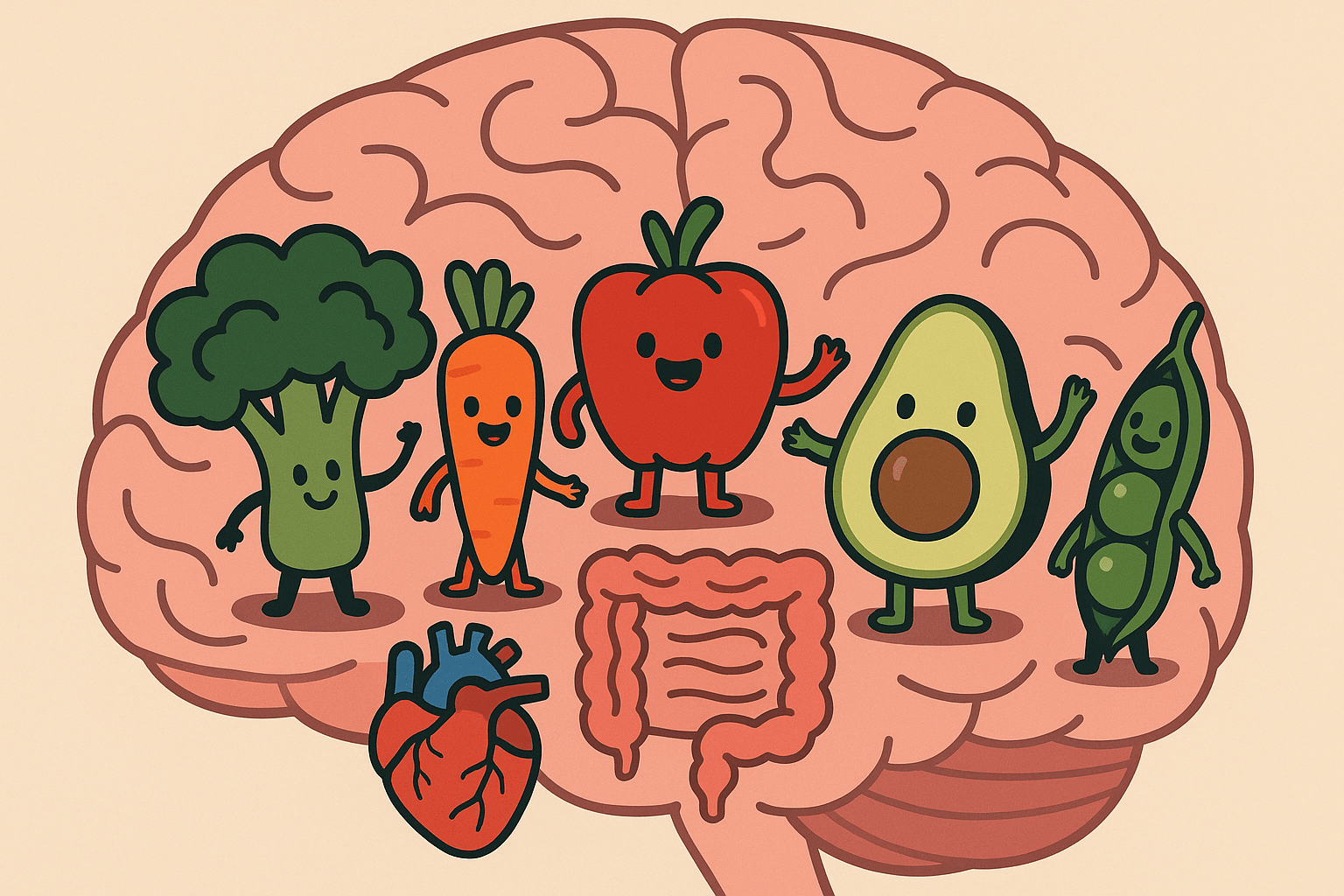
Plant Proteins Myths and Realities
Plant proteins are gaining increasing interest, whether among people looking to adopt a healthier diet, athletes concerned about their performance, or those turning to vegetarianism for ethical and environmental reasons. However, many misconceptions persist about the quality, quantity, and benefits of plant-based proteins. In this article, we will examine some common myths, present the most important facts, and offer practical advice for adopting a protein-rich vegetarian diet.
Understanding the Importance of Proteins
Role of Proteins in the Body
Proteins are essential macronutrients that support many vital functions. They are part of our muscles, bones, organs, and tissues. They also contribute to the production of enzymes and hormones, as well as the regulation of the immune system. Therefore, an adequate protein intake is necessary to maintain good health in the long term.
Essential Amino Acids
Proteins are made up of amino acids, which are like the “building blocks” that construct them. Of the 20 existing amino acids, 9 are considered “essential,” meaning the human body cannot produce them on its own; they must be obtained through diet. The main challenge in a 100% plant-based diet is ensuring the consumption of all these essential amino acids throughout the day.
Myth #1: Plant Proteins Are Not Complete
A common myth is that most plant protein sources are not complete, meaning they do not provide all the essential amino acids. This belief promotes the idea that vegetarians and vegans must necessarily supplement or resort to substitutes to meet their needs.
Reality: Complementarity of Plant Proteins
While some plants indeed have a less complete amino acid profile than animal products, many plant foods offer a broad and balanced spectrum. Foods like quinoa, buckwheat, soy (tofu, tempeh, edamame), amaranth, and hemp seeds have particularly interesting amino acid profiles and are often cited as “complete” proteins.
Moreover, it is entirely possible to obtain all essential amino acids by combining different plant sources throughout the day. For example, combining grains (rice, wheat, corn) and legumes (lentils, chickpeas, beans) provides a complete spectrum. It is not even necessary to consume everything in one meal; simply vary the protein sources throughout the day.
Examples of Combinations
• Brown rice and lentils
• Wheat (bulgur) and chickpeas
• Corn and red beans
• Corn tortillas and black beans
Thus, for this myth #1, the reality is clear: simply vary and mix plant protein sources to meet amino acid needs.
Myth #2: Vegetarians Lack Protein
When discussing reducing or eliminating meat, one of the first remarks often heard is: “But where will you get your protein?” The idea that a vegetarian or even vegan diet does not contain enough protein is widespread.
Reality: Protein Intake Can Be Largely Satisfied
In reality, it is entirely possible for a vegetarian (and even vegan) to meet their needs. Numerous studies indicate that a well-planned plant-based diet can provide adequate protein amounts. Legumes (lentils, split peas, chickpeas, beans…), soy products (tofu, tempeh, soy milk…), whole grains (oats, quinoa, brown rice…), seeds (pumpkin, sunflower, flax…) and nuts (almonds, cashews, hazelnuts…) are all food groups that provide good protein intake.
Daily Recommendations
The daily protein needs for an adult generally range from 0.8 to 1 gram of protein per kilogram of body weight. For example, a person weighing 60 kilograms needs about 48 to 60 grams of protein per day. This translates very concretely into a balanced vegetarian plate:
• A bowl of cooked lentils (about 18 g of protein per 200 g serving)
• A portion of firm tofu (about 15-20 g of protein per 100 g)
• A handful of almonds (about 6 g of protein for 30 g)
• A bowl of cooked quinoa (about 8 g of protein for 185 g)
By combining these different foods throughout the day, reaching 50 to 60 g of protein is generally not difficult. This demonstrates that a vegetarian diet, focused on variety, can adequately cover protein needs.
Myth #3: Athletes Necessarily Need Animal Proteins
In the sports world, particularly in bodybuilding or endurance disciplines, it has long been asserted that animal proteins constitute the best, if not the only reliable source of protein for muscle development. Many still believe that meat and dairy products are indispensable for building muscle or improving performance.
Reality: Many Athletes Succeed with Plant Proteins
More and more high-level athletes are adopting a vegetarian or vegan diet while continuing to perform at the highest level. Whether in powerlifting, cycling, running, or team sports, athletes opting for plant proteins are emerging. They manage to maintain, or even improve, their muscle mass and endurance.
Plant sources like legumes, tofu, seitan, tempeh, pea or hemp proteins can provide significant amounts of protein. There are also plant-based protein supplements (soy, pea, rice, hemp) that can increase daily intake if necessary. The key is to respect overall caloric intake, consume enough protein, and vary the diet as much as possible to obtain all amino acids.
Some Examples of Plant Proteins for Athletes
• Tofu and tempeh: about 15 to 20 g of protein per 100 g
• Seitan: about 25 g of protein per 100 g
• Pea protein: about 20 to 25 g of protein per 30 g serving (supplement)
• Hemp seeds: about 9 to 10 g of protein for 30 g
Muscle development also relies on sufficient energy intake, appropriate training, and adequate rest. As long as these factors are met, plant-based proteins can perfectly support a demanding sports routine.
Myth #4: Plant Proteins Are of Lower Quality
Behind this myth often lies the preconceived idea that plant proteins are not as “well assimilated” as animal proteins. Protein quality is sometimes evaluated using a criterion called PDCAAS (Protein Digestibility Corrected Amino Acid Score), although it is not the most recent or comprehensive tool.
Reality: Quality Depends on the Overall Diet
The notion of “quality” of a protein is mainly relevant when considering an isolated food. In practice, we consume a variety of foods throughout the day. The combined intake from multiple plant sources largely corrects any potential amino acid deficiencies. Moreover, it has been shown that some plant proteins, like those from soy, have a very high digestibility score.
The most important thing is to consider the overall dietary balance. A vegetarian who consumes legumes, whole grains, vegetables, fruits, nuts, and other nutrient-rich sources daily achieves a balanced diet that fully meets the body’s requirements.
Myth #5: High-Protein Diets Lead to Deficiencies
It is sometimes heard that by seeking to consume more plant proteins, one risks “missing” other essential nutrients, such as vitamins or certain minerals, notably iron. This raises fears of imbalances and multiple deficiencies.
Reality: A Balanced Vegetarian Diet Avoids Deficiencies
The risks of deficiencies do not specifically concern those who follow a plant-based diet; they mainly concern people whose diet is poorly planned. Vegetarians and vegans simply need to pay attention to certain key nutrients:
- Vitamin B12: It is not naturally present in plants. A vitamin B12 supplement is therefore recommended for strict vegans and often advised for vegetarians.
- Iron: It is found in large quantities in legumes, whole grains, and leafy green vegetables. Consuming sources of vitamin C (lemons, oranges, broccoli) at the same meal helps better absorption.
- Calcium: It is also found in kale, calcium-fortified tofu, dried figs, and almonds.
- Zinc: Present in whole grains, legumes, seeds (pumpkin, sesame), and nuts.
A quality vegetarian diet varies food sources sufficiently to limit the risk of deficiency. In case of doubt, consulting a healthcare professional or dietitian helps assess any necessary adjustments.
How to Optimize Plant Protein Intake?
Vary Protein Sources
To ensure a complete amino acid intake, vary the types of protein-rich foods as much as possible. Alternate between legumes (lentils, chickpeas, beans, split peas), whole grains (rice, wheat, oats, barley, buckwheat), pseudocereals (quinoa, amaranth), nuts and seeds (almonds, hazelnuts, sunflower seeds, flax seeds), as well as soy products (tofu, tempeh, edamame, soy yogurts).
Play with Spices and Culinary Variety
The idea is not only to have the necessary protein intake but also to enjoy yourself. Legumes and tofu can be prepared in multiple ways. Spices, condiments (soy sauce, miso, tahini), and herbs (basil, coriander, parsley) allow for varied flavors. For example, tofu can be marinated in ginger and soy sauce, then stir-fried with crunchy vegetables. Chickpeas can be blended into hummus, seasoned with paprika and lemon. The goal is to discover new recipes and adapt your plant-based diet to your personal tastes.
Prioritize Whole and Minimally Processed Foods
Although the market offers many industrial vegetarian substitutes (soy steaks, vegan sausages, etc.), keep in mind that the best source of nutrients is often a whole, minimally processed food. Use processed products as a supplement when you lack time or want to vary your meals. Prioritize homemade cooked legumes, whole grains, and seeds, which offer an interesting nutritional profile with fewer additives.
Bonus: Stay Hydrated and Consume Fiber
A plant-rich diet often comes with a high intake of dietary fiber, which is beneficial for intestinal health and the prevention of many diseases. However, to promote good digestion of proteins and fibers, make sure to drink enough water throughout the day. This also helps eliminate toxins and supports proper kidney function.
Environmental Impact of Plant Proteins
Beyond health considerations, it is also interesting to note that plant proteins have a lesser environmental impact than animal proteins. Intensive livestock farming generates greenhouse gas emissions, consumes a lot of water, and leads to significant deforestation for fodder production. By choosing more plant proteins, we help preserve natural resources and reduce our carbon footprint.
Moreover, choosing a more plant-based diet encourages crop rotation and agricultural biodiversity. Planting legumes naturally enriches the soil with nitrogen, thus reducing dependence on chemical fertilizers harmful to soils and aquatic ecosystems.
Practical Tips for Protein-Rich Vegetarian Meals
Here are some meal ideas and tips to enhance your daily plant protein intake:
-
Protein-Packed Breakfast:
• An oatmeal porridge with chia seeds, berries, and sliced almonds.
• A smoothie made with soy milk or almond milk, with banana, spinach, and a spoonful of peanut butter. -
Snacks:
• A handful of nuts or seeds (almonds, hazelnuts, sunflower seeds).
• Roasted chickpeas with paprika and cumin (easy to carry). -
Lunch:
• A large bowl of mixed salad with lentils, various raw vegetables, hemp seeds, and a drizzle of olive oil.
• A wrap with marinated tofu, grilled vegetables, and hummus. -
Dinner:
• A chickpea curry with coconut milk and brown rice.
• A dish of whole-grain pasta with tempeh, cherry tomatoes, and spinach. -
Desserts:
• A soy yogurt with fruits, enriched with peanuts or crushed pistachios.
• A chia seed pudding (soaked in plant milk), garnished with cocoa powder and coconut flakes.
In practice, the balance and variety of these types of meals easily cover daily needs while allowing for enjoyment.
Why Adopt More Plant Proteins?
Health Benefits
Numerous studies suggest that a diet rich in plant proteins and low in saturated fats could help reduce the risk of cardiovascular diseases, certain cancers, and type 2 diabetes. By prioritizing a wide variety of fruits, vegetables, legumes, and whole grains, you provide your body with fibers and antioxidants that help protect your health.
Respect for Animal Welfare
For some people, reducing or completely eliminating animal products is an ethical and moral commitment to animal welfare. Switching to a vegetarian or vegan diet is often associated with the desire not to participate in animal exploitation or suffering.
Environmental Preservation
As mentioned earlier, industrial farming has a significant environmental impact. Opting for plant proteins reduces water consumption, CO2 emissions, and agricultural land use. It promotes a more sustainable and biodiversity-friendly food production method.
Managing the Transition to a More Plant-Based Diet
If you are considering increasing the proportion of plant proteins in your diet, or even switching completely to a vegetarian or vegan diet, you can follow progressive steps:
- Start by reducing meat: Gradually decrease your red meat consumption and replace it with legumes, tofu, seitan, or tempeh in certain dishes.
- Explore new recipes: Try different culinary styles (Indian, Mediterranean, Thai) that often use a lot of plants, spices, and legumes.
- Plan your meals: To avoid missing out on proteins, prepare in advance lentil salads, chickpea-based sauces, or homemade protein bars with seeds and nuts.
- Balance your intake: Ensure you distribute proteins well throughout the day. Think about whole grains, nuts, and legumes.
- Monitor your specific needs: Depending on your age, activity level, and sports goals, do not hesitate to consult a nutrition professional who will guide you towards a successful and adapted transition to your needs.
Pitfalls to Avoid
In the quest for plant proteins, some pitfalls should be avoided. For example:
- Ultra-processed products: Many products labeled “vegan” or “veggie” may be high in saturated fats, salt, or additives. Always check the quality of the ingredients and prefer homemade preparations whenever possible.
- Dietary imbalances: A plant-based diet high in carbohydrates but low in proteins can lead to certain deficiencies. Make sure to introduce legumes and other plant proteins at every main meal.
- Too rapid exclusion of food categories: If you eliminate meat, fish, eggs, or dairy products overnight without planning, you might not compensate for all nutrients correctly. Take the time to inform yourself and organize your menus.
- Unfounded fear of weight gain or muscle loss: Plant proteins do not cause more weight gain than animal proteins, and muscle loss can be avoided with sufficient caloric intake and appropriate training.
Conclusion
Plant proteins no longer need to be ashamed of their reputation and offer numerous possibilities for adopting a healthy, balanced, and environmentally friendly diet. The most widespread myths claim that plant-based proteins are incomplete, less effective for muscle development, or insufficient to meet everyone’s needs. However, by observing reality on the ground and relying on nutritional recommendations, we find that these ideas do not hold.
Adopting more plant proteins allows for dietary variety, discovering new flavors, and enjoying the many benefits associated with consuming fibers, minerals, and vitamins found in vegetables, legumes, seeds, and whole grains. It also helps reduce the ecological footprint and aligns with an ethical approach to animal welfare.
In conclusion, it is entirely possible to meet daily protein needs with a vegetarian or vegan diet. The key to success lies in planning, varying protein sources, and overall dietary balance. So, do not hesitate to experiment in the kitchen, vary cereal-legume combinations, and explore new recipes. You will see that with a little creativity, plant proteins have everything to please and have nothing to envy their animal-based counterparts. Enjoy your meal and enjoy discovering this flavorful, healthful, and environmentally friendly cuisine!