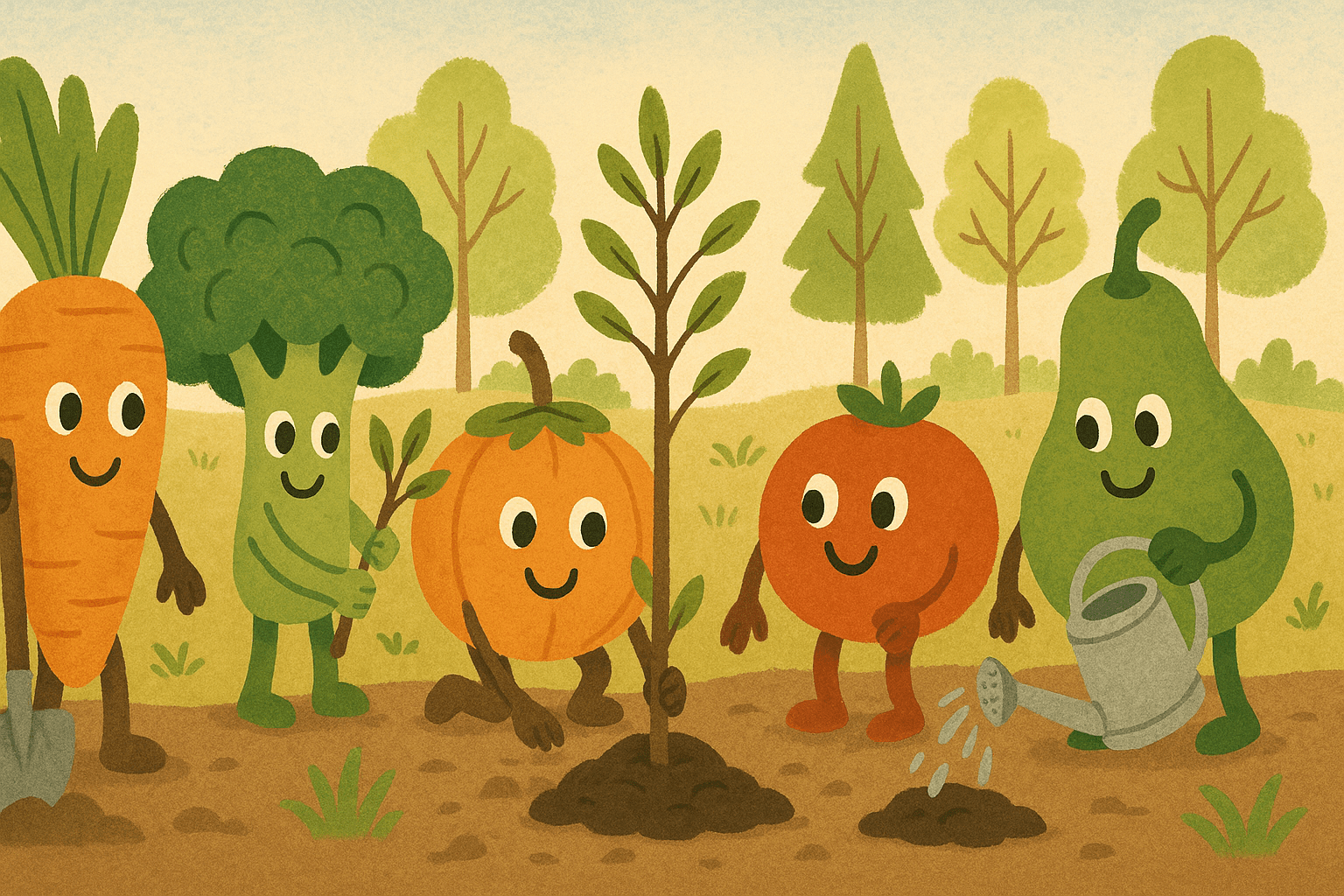
Seed Swap Among Neighbors: A How-To Guide
Introduction
Vegetables, aromatic herbs, and even some edible flowers form the base of many vegetarian dishes. However, acquiring seeds can sometimes be a significant expense, especially if you want to diversify your vegetable garden or urban garden. This is where the idea of a seed swap comes in, a simple and friendly concept that involves exchanging seeds with your neighbors or local community. This practice emphasizes resource sharing, discovering new varieties, and strengthening social bonds. As the name suggests, a seed swap is a reciprocal exchange, where everyone contributes and receives something in return.
In this article, we will explore why and how to organize a seed swap with those around you. We will also cover the essential steps to properly prepare your seeds, the basic rules to follow for a courteous and effective exchange, and the precautions to take for storing and preserving your seeds long-term. Finally, we will see how this local solidarity initiative fits perfectly into a sustainable and environmentally friendly approach.
Why Organize a Seed Swap?
1. Promote Biodiversity
A seed swap allows you to enrich biodiversity in your garden or vegetable patch while varying your harvests. Instead of planting the same variety of tomatoes or zucchinis year after year, you can experiment with new varieties. Exchanges encourage you to discover exotic species, forgotten vegetables, or heirloom seeds that you might never have considered cultivating otherwise. In doing so, you contribute to the preservation of a rich plant heritage and support genetic diversity.
2. Save on Seeds
Quality seeds can be expensive, especially if you buy organic seeds or heirloom varieties. By exchanging your surplus seeds with your neighbors, you can reduce your expenses while expanding your range of crops. You might even save enough to reinvest in other aspects of your garden, such as acquiring efficient watering equipment or installing composters.
3. Create Social Bonds
The seed swap primarily fosters friendliness. It is a way to establish or strengthen ties with your neighborhood: discussing your successes and failures in the garden, sharing advice, mentioning tips for optimizing space… It’s an excellent excuse to get to know each other, exchange vegetarian recipes, and even organize gardening workshops. Plant and vegetable enthusiasts can thus combine their expertise to help each other and create a strong local network.
4. Engage in a Sustainable Approach
Finally, trading your seeds instead of discarding them region by region helps limit your ecological footprint. By avoiding buying new seeds produced on the other side of the world, you promote a form of responsible and local consumption. Not to mention that organizing a swap raises awareness about the origin and preservation of seeds. This openness to a more nature-friendly lifestyle aligns with the vegetarian philosophy, centered on reducing carbon impact and promoting healthy eating.
How to Select and Prepare Your Seeds?
For a successful seed swap, it is essential to offer quality seeds and select varieties suited to your climate and soil. Here are some tips:
-
Harvest at the Right Time
Make sure to harvest your seeds at the optimal time. For example, wait for the pods of your legumes (beans or peas) to dry before extracting the seeds. For vegetables like zucchinis or tomatoes, wait until the vegetable is ripe before collecting the seeds. It’s best to rinse and dry these seeds thoroughly to avoid any risk of mold during storage. -
Only Harvest Healthy Seeds
Your harvest should be free of diseases or pests. If you spot mold, traces of fungi, or insects, do not hesitate to discard these seeds to avoid contaminating other varieties during the swap. Generally, prioritize robust, well-developed, and regularly shaped fruits and vegetables. -
Properly Clean and Dry the Seeds
After extraction, rinse your seeds with cold water if necessary, then let them air dry on absorbent paper. You can also use trays or clean cloths. In any case, ensure there is no residual moisture, which could promote mold. Take your time, as complete drying can take several days. It is crucial to handle the seeds delicately to avoid damaging them. -
Sort and Label
Once your seeds are well-dried, place them in paper bags or small airtight containers. Don’t forget to label each bag with the variety, harvest year, and possibly some cultivation tips. Good labeling facilitates the distribution of seeds during the swap and avoids confusion.
Taking care of your seeds in advance is the first step to a successful event. Not only do you demonstrate professionalism, but you also pass on valuable information to the person receiving your seeds. Some enthusiasts even write a little note or a short description about the origin of their varieties to convey the story and emotion linked to their crops.
How to Organize a Seed Swap Event?
Organizing a seed swap is not just about placing a few seed packets on a table. Careful preparation will allow you to enjoy a friendly moment and maximize exchanges. Here are the main steps in organization:
-
Choose an Appropriate Date and Place
Prefer a date that precedes the planting season, ideally at the end of winter or early spring. You can, for example, organize your swap in February or March, a period when most gardeners plan their plantings. As for the location, it can be a public space like a municipal park or a multipurpose room, an association’s premises, or even a shared garden (weather permitting). -
Invite the Local Community
Promote the event on social media, through posters in your building or local shops, and by word of mouth. Encourage different profiles to participate (amateur gardeners, plant enthusiasts, vegetarian cooks, families…). The more diverse the audience, the richer the variety of seeds offered. -
Include Fun Activities
To enliven the meeting, consider setting up discussion or demonstration tables. You can bring workshops to life that explain how to make your own seed pots or how to prepare a square garden. Also, offer a tasting of soups or vegetarian dishes learned from your previous harvests. Children will be delighted to participate in a seed packet decoration or flower pot painting workshop. -
Decorate the Space and Provide Materials
Make sure you have enough tables or surfaces to display the seeds, sorted by type (vegetables, herbs, flowers…). Organize, for example, a “sun vegetables” corner (tomatoes, peppers, eggplants) and another “leafy greens” (lettuces, spinach…). Display explanatory posters about the seeds, their specifics, their growing conditions. All this makes the event more educational and encourages friendliness. -
Anticipate Necessary Equipment
Provide paper or kraft bags, pens and markers, labels, and possibly a precision scale if you want to measure the quantity of seeds exchanged. Don’t forget tape, glue, or paper clips to close the bags, as well as presentation tables and some chairs.
Basic Rules for a Successful Seed Swap
Although the principle of a seed swap is based on free and voluntary exchange, here are some rules to establish harmony and fairness:
-
Give Seeds in Good Condition
Ensure you offer quality seeds, properly harvested and cleaned. This prevents the spread of diseases or pests in your neighbors’ gardens. -
Respect the Quantity to Exchange
It is often advised to limit the quantity of each variety distributed, especially for highly demanded species. This way, everyone can enjoy these precious seeds. -
Clearly Label
Each packet should contain essential information: plant name, variety, harvest date, and any planting tips… -
Avoid Unstable Hybrids
F1 seeds (first-generation hybrids) can be less stable and produce less reliable plants in the next generation. For guaranteed results and sustainable sharing, prefer reproducible varieties, often called “Open Pollinated.” -
Exchange Equitably
Even if the event is often based on friendliness, it is preferable to ensure you give as much as you receive. This way, everyone leaves satisfied, and no one feels shortchanged.
Swap, Plant, and Harvest
One of the greatest pleasures of a seed swap is seeing plants from a collective trade grow in your own garden or on your balcony. Once your seeds are exchanged, here are some tips for successful sowing and harvesting:
- Plan Your Sowing. Depending on the region and climate, the sowing period can vary. Consult experienced gardeners and planting calendars. This will prevent you from sowing too early or too late.
- Prepare the Soil Well. Loosen the soil, remove stones, and add compost or a natural amendment to ensure good growth. Seeds need a rich and well-draining substrate.
- Protect Young Plants. When seedlings are still fragile, monitor the weather, prevent frost, and avoid overwatering. As the plants grow, mulching can be an effective ally to maintain moisture and limit weed growth.
- Monitor Pests. Slugs, aphids, or caterpillars can attack your young shoots. Opting for natural solutions (such as beneficial insects or plant decoctions) is both effective and ecological.
- Harvest at the Right Time. Harvesting at the right time will allow you to fully enjoy your vegetables and obtain quality seeds for the next season.
Types of Seeds to Favor
In a swap, you can exchange all types of edible seeds, not forgetting some ornamental flowers whose petals or leaves can enhance vegetarian dishes. Here are some essentials:
-
Tomatoes
Tomatoes are very popular due to the wide variety of shapes, colors, and tastes available. Some heirloom varieties (like Pineapple Tomato or Black Krim) are particularly appreciated for their unique flavor and hardiness. -
Herbs
Basil, parsley, coriander, chives, or mint: these fine herbs are easy to grow, whether in planters or in the ground. Their seeds are light and not bulky. -
Legumes
Beans, peas, lentils… Not only do these plants enrich the soil with nitrogen, but they are also delicious and rich in plant proteins, which is particularly interesting for vegetarians. -
Squashes and Zucchinis
Squash or zucchini seeds are easy to harvest and offer a wide diversity of tastes and shapes (pumpkins, red kuri squash, or pattypans). Cucurbit plants are also often productive. -
Lettuce and Spinach
Easy to grow, lettuce or spinach seeds are a good starting point for beginner gardeners. They germinate quickly and do not require complex maintenance. -
Edible Flowers
Nasturtiums, borage, marigolds (French marigolds), or cornflowers. Not only do these flowers beautify the garden, but they can be used as garnish in delicious salads.
Storage and Preservation
Even after a swap, you might end up with a surplus of seeds. To avoid any unpleasant surprises, make sure to store them in good conditions:
-
Use Airtight Containers
Glass jars, metal boxes, or simple paper bags placed in airtight boxes will do the trick to protect your seeds from moisture and temperature variations. -
Maintain a Cool and Stable Temperature
Seeds do not tolerate excessive heat and humidity well. Try to store them in a dry place, away from direct light. A ventilated cellar or a cupboard inside the house is often adequate. -
Label Carefully
Even if you participated in a swap, you might not plant all your seeds immediately. Clearly indicate the label’s revelation date and variety. This way, you will know which seed to sow first and which can wait a season or two. -
Avoid Mixing Lots
If you have seeds from several years, separate them to avoid sowing expired or lower-quality varieties with more recent seeds. -
Test Germination
Over time, the germination rate decreases. If you are unsure about the viability of your seeds, you can perform a test: place about ten on damp cotton in a saucer, cover slightly, and leave in a warm place. After a few days, if less than half germinate, the seed is probably too old.
Practical Tips for Good Relations with Neighbors
The concept of a seed swap is also an opportunity to create a close-knit community. Here are some ideas to maintain a good atmosphere:
-
Help Each Other and Share Tips
Beyond the simple exchange of seeds, offer your knowledge. For example, offer a small workshop on soil preparation or indoor seedling making. Share links to online resources or gardening books. This will reinforce the idea of community. -
Vary the Initiatives
Why limit yourself to a seed swap? After the growing season, organize a shared vegetarian meal where everyone cooks their harvests. Or set up a small market among neighbors, where everyone offers freshly picked vegetables. Such projects help create a supportive and sustainable dynamic. -
Involve Children
Young ones love getting their hands dirty. Involving children in growing, exchanging, and tasting vegetarian vegetables raises their awareness of the environment and healthier eating. They will be very proud to share their discoveries. -
Communicate Regularly
Seed exchanges can take place at several times of the year. Stay in touch via a discussion group or bulletin board to inform about your next sowings, mention your seed needs, or announce surplus harvests.
Conclusion
The seed swap among neighbors is a growing movement, supported by ecological awareness and a desire to create more connections in our neighborhoods. This practice has multiple advantages: enriching garden biodiversity, saving money, discovering amazing varieties, and above all, strengthening a spirit of solidarity and friendliness. Whether you live in the city with just a balcony or in a rural area with a large vegetable garden, you can adapt the concept to focus on what you like: vegetables, herbs, edible flowers… The possibilities are almost endless.
For vegetarians, planting and harvesting seasonal vegetables is more than just a hobby; it strengthens the connection between plate and earth. The seed swap directly influences our consumption, as it encourages prioritizing fresh and local foods, maintaining or restoring threatened biodiversity, and limiting the carbon footprint associated with the transport and industrial production of seeds. In short, it is both a way to consume responsibly and to get involved in neighborhood life.
So don’t hesitate to launch your own seed swap, even on a small scale, and invite your neighbors to join you. Sharing seeds means dedicating a bit of your time and expertise to ultimately harvest much more than vegetables: friendship, curiosity, and a beautiful awareness of a sustainable lifestyle focused on nature. With a little preparation and a lot of good humor, you will quickly discover that an event as simple as a seed exchange can transform mere neighbors into true gardening partners and long-term friends. Happy organizing and… happy harvesting.