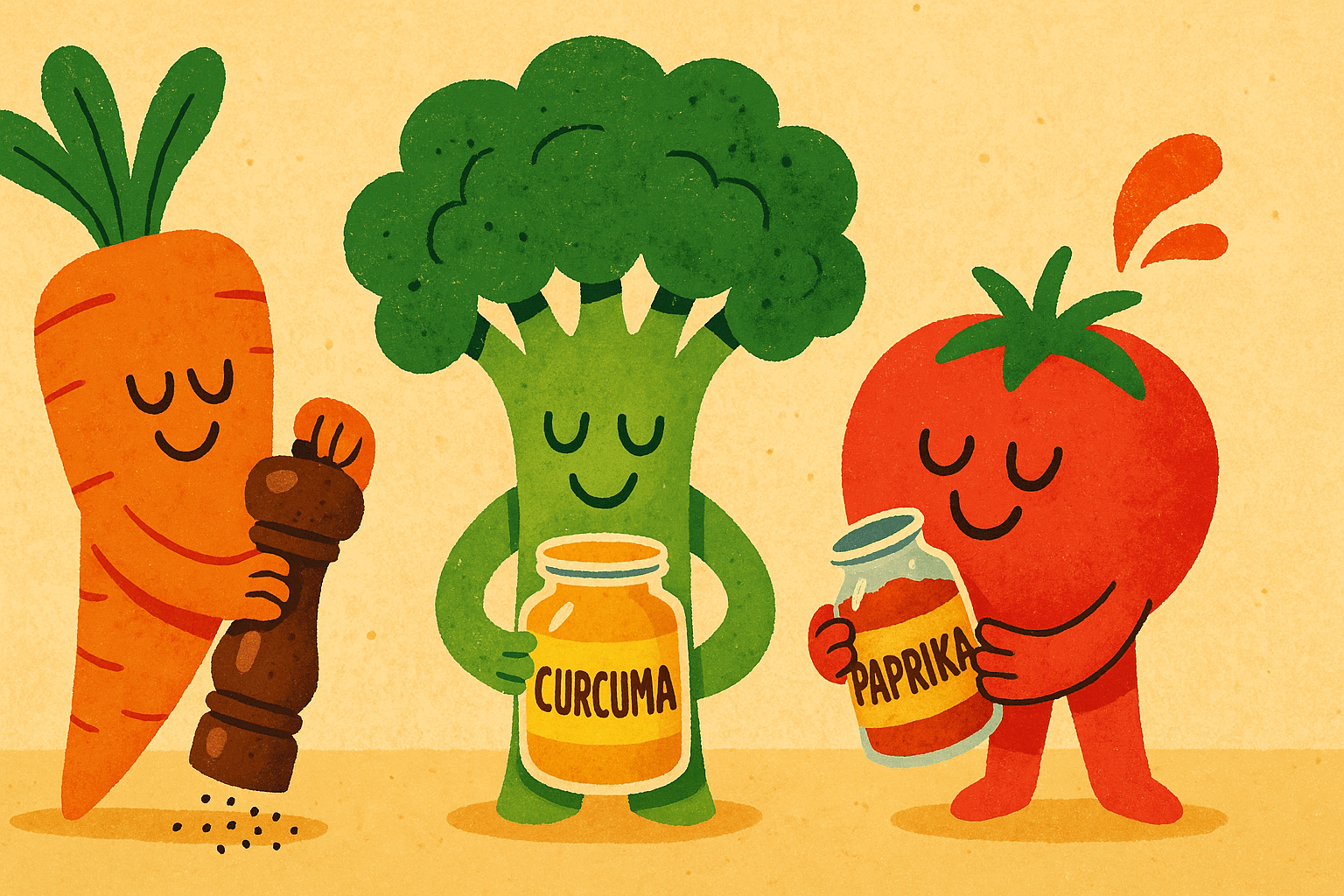
Tahini Sauces Variations: Lemon, Beetroot, Smoked Spices
Tahini sauces are particularly popular in vegetarian and vegan cuisine. Made from ground sesame seeds, they can be added to a wide variety of dishes to enhance flavor and add a creamy touch. In this article, we will explore several variations of tahini sauces: lemon, beetroot, and smoked spices. We will also see how to prepare these different versions, how to incorporate them into our daily diet, and the nutritional benefits of tahini for a vegetarian diet. Get ready to experiment with new flavors and expand your culinary horizons.
Understanding the Origin and Composition of Tahini
Tahini, sometimes spelled tahin or tahina, is a paste made from roasted and ground sesame seeds. It is commonly used in the Middle East, North Africa, and some parts of Asia. It is also included in iconic dishes such as hummus or baba ganoush, making it a familiar ingredient in Levantine cuisine.
Why is Tahini So Appreciated?
- Mild and Nutty Taste: Tahini has a subtle and slightly bitter flavor characteristic of roasted sesame. It pairs well with many ingredients like lemon, garlic, fresh herbs, and various spices.
- Smooth Texture: When mixed with a liquid (water, lemon juice, etc.), tahini quickly emulsifies to form a creamy and dense sauce.
- Suitable for Vegetarian and Vegan Diets: Tahini contains no animal products, making it an interesting base for preparing sauces or dips in a vegetarian or vegan setting.
- Versatile: It can be used to thicken different preparations, such as salad dressings, marinades, or vegan barbecue sauces.
- Nutritional Value: Tahini is rich in unsaturated fatty acids, proteins, vitamins (B and E), and minerals (calcium, iron, potassium, magnesium). It is an interesting source of nutrients for people following a meat-free diet.
The Secrets of a Successful Tahini Sauce
Although the base of tahini sauces is relatively simple (pure tahini, lemon juice or vinegar, water, salt, and pepper), there are a few tips to achieve a smooth texture and balanced flavor.
- Choose Quality Tahini: You will find different brands of tahini in gourmet or organic stores. Some preparations are more liquid, and others thicker; some tahinis are made from hulled sesame seeds, and others are not. For sauces, a fluid or semi-thick tahini is easier to work with.
- Proper Emulsification: Tahini tends to separate in its jar. Therefore, it should be well mixed before use. When preparing the sauce, gradually incorporate the water or lemon juice while mixing vigorously to prevent the sauce from splitting.
- Adjust the Consistency: Depending on your preferences, you can achieve a more liquid or denser sauce by adjusting the amount of water. Start with a tablespoon of water, mix, then add more gradually until the desired consistency is reached.
- The Importance of Lemon: Lemon juice is crucial to balance the slightly bitter flavor of tahini. Its acidity brings freshness and lightness to the sauce.
- Taste and Adjust: As with all sauces, it is essential to taste your preparation as you go. This allows you to adjust the salt, pepper, acidity, or consistency.
First Variation: Lemon Tahini Sauce
Lemon tahini sauce is undoubtedly the most classic and well-known. It is a must-have to accompany falafels, grilled vegetables, salads, or even to enhance vegetarian sandwiches.
Basic Ingredients
- 3 tablespoons of tahini
- The juice of half a lemon (or more, according to preference)
- 1 clove of garlic, minced (optional but highly recommended)
- A pinch of salt and pepper
- Water (to adjust the consistency, about 1 to 3 tablespoons)
Preparation
- In a bowl, vigorously mix the tahini to homogenize it.
- Add the lemon juice, garlic, salt, and pepper. Mix until the ingredients are well incorporated.
- The sauce will slightly thicken upon contact with the lemon juice. Then add water, one tablespoon at a time, mixing each time, until the desired consistency is achieved. If you want it very fluid, you can add more water.
- Taste and adjust the salt or lemon according to your taste.
Tips and Uses
- For Your Salads: This sauce is ideal as a replacement for a classic vinaigrette. You can use it on a green salad or with raw vegetables.
- Pita Bread and Wraps: Spread a thin layer on a vegetable wrap or in a pita bread filled with hummus and falafels.
- Savory Dessert?: It may sound surprising, but you can use this lemony sauce to accompany slightly sweet vegetables like baked sweet potatoes or butternut squash. The freshness of the lemon enhances the natural sweetness of the vegetables.
Second Variation: Beetroot Tahini Sauce
For a touch of color and sweetness, trying beetroot tahini sauce is an excellent idea. Beetroot brings a beautiful pink-purple hue and pairs perfectly with the roasted sesame flavor.
Basic Ingredients
- 3 tablespoons of tahini
- 1 small cooked beetroot (or half if large)
- 1 clove of garlic, minced (optional)
- The juice of half a lemon
- Salt and pepper
- Water (to adjust the consistency)
Preparation
- Start by cooking the beetroot if you bought it raw (steamed or boiled until a knife easily penetrates it). Peel it.
- In a blender or food processor, place the chopped beetroot, tahini, garlic, lemon juice, and a bit of salt and pepper. Blend everything.
- When the texture becomes homogeneous, gradually add water until you achieve a smooth and creamy consistency.
- Taste and adjust the seasoning. You can add a bit more lemon if you want a more tangy sauce, or salt if necessary.
Tips and Uses
- Appetizing Color: The pink hue brought by the beetroot makes this sauce particularly festive. It can add visual contrast on a buffet or in a composed dish.
- Ideal Companion for Roasted Vegetables: Serve this sauce with grilled vegetables like carrots, zucchini, eggplant, or cauliflower. The earthy taste of beetroot pairs well with the mild bitterness of some vegetables.
- Spread: You can use it as a base to spread on toasts or crackers. Add some sprouted seeds or radish slices for a colorful vegetarian appetizer.
- Wraps and Burritos: It advantageously replaces cream or cheese-based sauces, especially for a vegan version. Its sweet and tangy taste pairs with the spiciness of ingredients like arugula or chili.
Third Variation: Smoked Spices Tahini Sauce
To add a deeper and slightly spicy dimension, you can opt for a smoked spices tahini sauce. This version will appeal to fans of intense and spicy flavors.
Basic Ingredients
- 3 tablespoons of tahini
- 1 teaspoon of smoked paprika (or pimenton)
- 1/2 teaspoon of ground cumin (optional but recommended to enhance the smoky aspect)
- 1 clove of garlic, minced (optional)
- The juice of half a lemon
- Salt and pepper
- Water (for consistency)
Preparation
- In a bowl, place the tahini. Gradually add the lemon juice, then mix so that the tahini emulsifies properly.
- Incorporate the smoked paprika, cumin, garlic, salt, and pepper. Mix well.
- Add water little by little to achieve the desired consistency.
- Taste and adjust the seasoning: add a bit more paprika if you want more smoky flavor, or opt for mild or hot chili to vary the intensity of the spiciness.
Tips and Uses
- Grilled Vegetables on the Barbecue: This sauce wonderfully enhances corn on the cob, vegetable skewers, or portobello mushrooms. Its smoky taste accentuates the grilled and woody aspect of barbecue-cooked foods.
- Vegetarian Burgers: To break away from the eternal ketchup and mustard, incorporate this sauce into your vegetarian burgers. It brings a savory and slightly spicy twist.
- Dip: Offer it with raw vegetable sticks (carrots, cucumbers, celery) or tortilla chips. It can also accompany falafels.
- Pizza Sauce: Some bold cuisine enthusiasts enjoy substituting it for tomato sauce on a vegetarian pizza. Combine it with roasted vegetables and a bit of vegan cheese for an original result.
Nutritional Benefits of Tahini for Vegetarians
Tahini offers several nutritional benefits, particularly interesting in the context of a vegetarian or vegan diet.
- Plant Proteins: Sesame seeds provide a good supply of proteins. Although tahini is not a complete substitute for other protein sources, it is a valuable complement.
- Rich in Minerals: Sesame is known for its calcium content, an important mineral for bone health, especially when not consuming dairy products. It also provides iron, magnesium, and zinc.
- Unsaturated Fatty Acids: Tahini mainly contains unsaturated fatty acids, including omega-6, which contribute to the proper functioning of the body. However, it should be consumed in moderation as it remains a fairly caloric product.
- Vitamins: It contains B-group vitamins (B1, B2, B3, B6) as well as vitamin E. These vitamins play a key role in energy production, cell protection, and maintaining the nervous system.
- Easy to Incorporate: Besides sauces, tahini can be integrated into desserts (sesame cookies, halva), marinades, or even smoothies. Its versatility contributes to the diversity of a vegetarian diet.
How to Incorporate These Tahini Sauces into Your Daily Life
Tahini sauces are extremely versatile and lend themselves to numerous uses throughout meals. Here are some additional ideas to make the most of them:
- Appetizer: Present your three sauces (lemon, beetroot, and smoked spices) in separate bowls, with assorted raw vegetables, breadsticks, or pita bread cut into triangles. It’s simple, colorful, and appealing.
- Side Dishes: Season steamed or grilled vegetables with a drizzle of tahini sauce. For example, asparagus, broccoli, or lightly steamed green beans become tasty with a touch of lemon sauce.
- Composed Salad: Vary textures and flavors by adding a few spoonfuls of tahini sauce (lemon or beetroot version) to a composed salad based on grains (quinoa, bulgur, brown rice) and raw vegetables (cucumbers, tomatoes, peppers).
- Buddha Bowls: Combine green vegetables, a grain (rice, barley, millet), legumes (lentils, chickpeas, beans), some seeds or nuts, and finish with a tahini sauce. The lemon, beetroot, or smoked spices variations all fit perfectly.
- Sandwiches and Wraps: Slip a bit of tahini sauce into your vegetable sandwiches (raw vegetables, avocados, alfalfa sprouts, tofu slices) to replace mayonnaise or yogurt sauce. You’ll get a more original and nutritious flavor.
- Marinades: Although rarely thought of, it is entirely possible to prepare marinades for tofu or vegetables with tahini. Mix a bit of tahini sauce, an acidic liquid (lemon, vinegar), spices, and a bit of water to obtain a marinade that will soak well into the food.
Storage and Practical Tips
- Refrigerator Storage: Like all tahini-based sauces, it is best to store them in an airtight jar in the refrigerator. They keep for up to five days for optimal freshness.
- Thickening of the Sauce: After a few days, you may notice that the sauce has thickened a bit. Simply add a little water and mix well to restore its original consistency.
- Extra Flavor: To further enrich these sauces, you can incorporate fresh herbs (cilantro, parsley, chives), lemon zest, mild or hot chili, or lightly toasted sesame seeds for a slight crunch.
- Customization: Have fun customizing your sauces according to your tastes. For example, you can add some fresh grated ginger to the beetroot version, or a few drops of liquid smoke in the spicy version to enhance its smoky taste.
Vegetarian Menu Ideas Using Tahini Sauces
To help you put these ideas into practice, here are three examples of simple and balanced menus that incorporate tahini sauce variations.
Menu 1: Citrusy Freshness
- Starter: Green salad accompanied by cucumbers, cherry tomatoes, a few black olives, and a dressing made from lemon tahini sauce.
- Main Course: Homemade baked falafels, served in pita bread with lettuce, tomato slices, and lemon tahini sauce. Accompany this with raw vegetables.
- Dessert: Summer fruit salad, with watermelon, melon, and fresh mint. No sweet tahini sauce here, but you can consider making a small tahini and maple syrup mix to drizzle over the fruits if you wish to experiment.
Menu 2: Color and Sweetness with Beetroot
- Starter: Crackers or whole-grain bread slices spread with beetroot tahini sauce, decorated with some pumpkin seeds and soybean sprouts.
- Main Course: Buddha bowl composed of quinoa, peas, raw carrot strips, shredded red cabbage, and sautéed tofu. Drizzle everything with beetroot tahini sauce.
- Dessert: Eggless berry muffins (strawberries, raspberries) substituting butter with applesauce. Serve with green tea or an infusion.
Menu 3: Smoky Scents
- Starter: Grilled vegetable skewers (cherry tomatoes, zucchini, mushrooms) served with smoked spices tahini sauce.
- Main Course: Vegetarian burger (potato and lentil patty, or quinoa and black bean patty) topped with red onion rings, crunchy leaves, and smoked tahini sauce. Accompany with sweet potato fries.
- Dessert: A vegan chocolate mousse made from aquafaba (chickpea juice whipped into a meringue). Serve it with some chocolate shavings on top.
Tips for a Balanced Vegetarian Diet
Incorporating varied tahini sauces into your diet is an excellent idea, but it is equally important to ensure the overall diversity of your vegetarian diet. Here are some principles to maintain a good nutritional balance:
- Vary Protein Sources: Alternate legumes (lentils, chickpeas, red beans), tofu, tempeh, seitan, whole grains, and nuts. This will cover a wide spectrum of amino acids.
- Focus on Green Vegetables: Spinach, broccoli, Swiss chard, and other dark green leafy vegetables are rich in minerals (including calcium) and essential vitamins.
- Don’t Forget Vitamin B12: Vitamin B12 is not found in significant amounts in plants. Vegetarians may need enriched sources or supplements to meet their daily needs.
- Emphasize Vitamin D: Like the general population, it is advisable to monitor vitamin D intake, especially during months with reduced sunlight.
- Include Iron-Rich Foods: Lentils, beans, sesame seeds, or dark chocolate are excellent sources of plant-based iron. Pair them with vitamin C (lemon juice, citrus fruits, red peppers) to enhance absorption.
- Take Time to Cook: Vegetarian cuisine is extremely varied but often requires a bit of imagination. Taking the time to prepare meals and test new recipes helps maintain nutritional balance and keep pleasure in the process.
Conclusion
Tahini sauces are a true treasure for vegetarian cuisine. Easy to prepare, infinitely adaptable, and rich in nutrients, they add character to a multitude of dishes. You can vary the tahini sauce in lemon, beetroot, or smoked spices versions to diversify the pleasures and delight your guests throughout the year. They fit perfectly into a multitude of recipes: salads, wraps, sandwiches, appetizers, marinades, and even hot dishes. Thanks to their creaminess and delicately roasted flavor, they bring a unique taste and enhance the aromatic profile of a dish, all with a simple jar of tahini and a few ingredients at hand.
By exploring the various tahini sauce variations, you will discover even more ideas to enrich your vegetarian cuisine, increase your nutritional intake, and satisfy your taste buds and those of your loved ones. Don’t hesitate to let your culinary creativity speak: the important thing is to taste, adjust, and enjoy. Bon appétit.