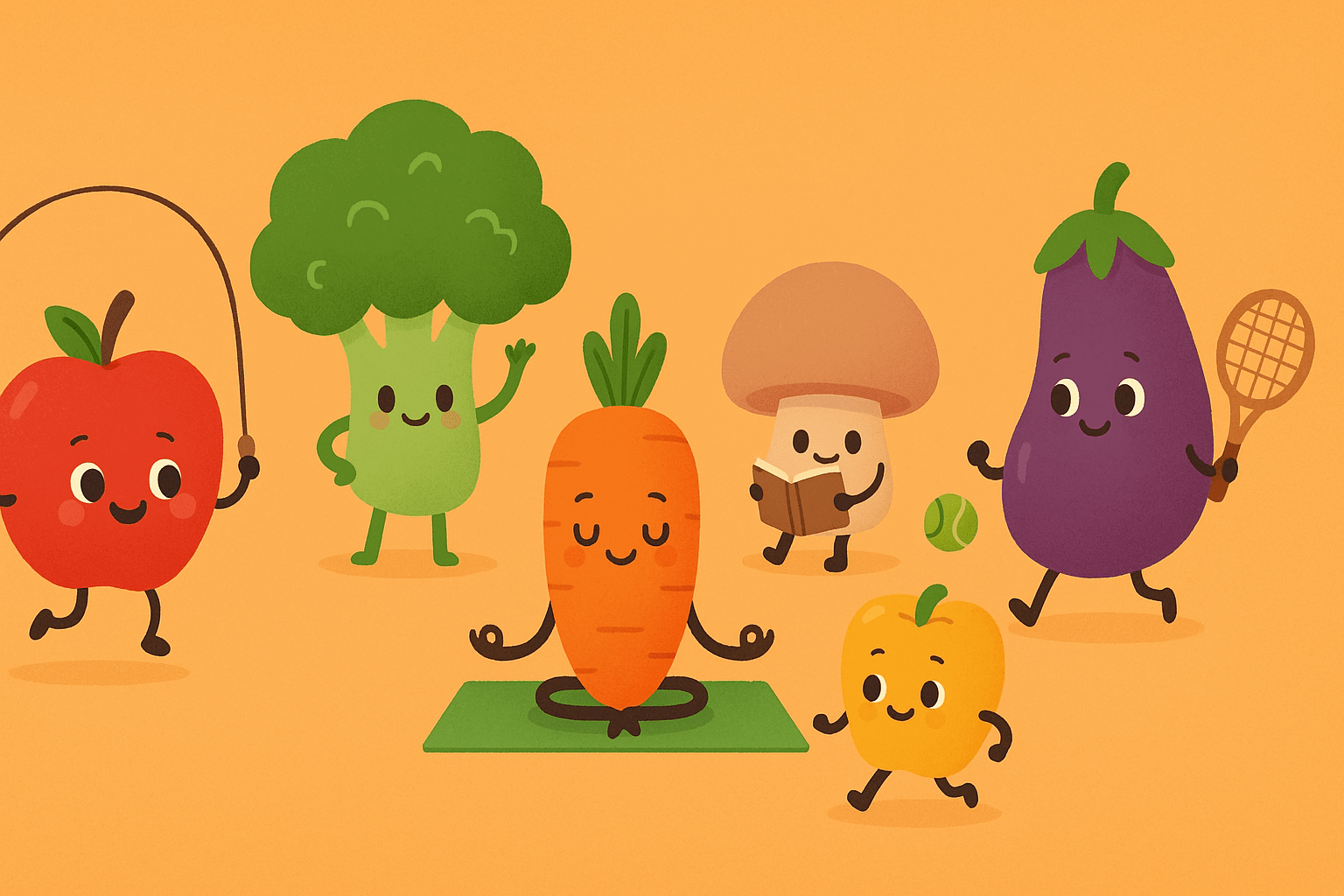
Vegetarian Diet and Endurance Sports
Introduction
Engaging in endurance sports requires special attention to diet, especially when adopting or maintaining a vegetarian lifestyle. Many athletes question whether such a dietary approach can provide enough energy and protein to support intense training. However, it is entirely possible to combine a vegetarian lifestyle with high endurance performance. Vegetarian runners, cyclists, or triathletes can not only obtain all the necessary nutrients but also improve their recovery, vitality, and overall health with a well-planned diet.
This article explores the fundamental principles of vegetarian nutrition applied to endurance sports. You will discover key nutrients to focus on (macronutrients and micronutrients), the delicate issue of potential supplements, and a series of practical tips for creating balanced menus tailored to your daily needs. Whether you practice running, cycling, swimming, or any other endurance sport, you will find concrete ways to make the most of a meat-free (or even fish-free) diet and optimize your performance.
Nutritional Challenges of Endurance Sports
Endurance sports are characterized by prolonged and demanding efforts. Long-distance running, trail running, marathons, long-distance cycling, or triathlons are all disciplines where the body is constantly challenged to maintain stable energy levels despite the intensity of the effort. In this context, diet plays a crucial role. The following mechanisms are essential:
- Maintaining Glycogen Stores: Muscles derive much of their energy from glycogen, a form of sugar stored in the liver and muscles. During continuous exertion, it is imperative to have sufficient reserves to avoid the infamous “fuel depletion.”
- Muscle Synthesis and Regeneration: While strength sports often involve explosive muscle work, endurance sports also require good recovery and tissue repair after long or intensive training.
- Hormonal Regulation: Long-duration sports can influence the production of certain hormones like cortisol (the stress hormone). A balanced diet helps regulate these chronic stress mechanisms.
- Electrolyte Balance: During prolonged efforts, sweating can lead to significant electrolyte losses (sodium, potassium, magnesium). A varied diet and regular intake of water and minerals are necessary to maintain hydration.
In a vegetarian diet, the consumption of red meat, poultry, and possibly fish (in strict vegetarianism) is eliminated. This raises several questions: how to meet protein, iron, and other micronutrient needs without meat? What food sources should be prioritized to remain performant? In the following sections, we will address these essential points and see how to build a nutritional plan that perfectly meets the demands of endurance sports.
Key Macronutrients for Endurance
Carbohydrates
For endurance athletes, carbohydrates are the primary fuel. Glycogen stored in muscles mainly depends on carbohydrate intake (pasta, rice, cereals, fruits). During efforts exceeding 60 to 90 minutes, the body draws on these reserves to maintain performance. In a vegetarian diet, the following foods can be relied upon to fill up on complex carbohydrates:
- Whole-grain pasta (wheat, spelt, buckwheat)
- Brown rice, quinoa, millet
- Starchy vegetables like potatoes or sweet potatoes
- Legumes (lentils, chickpeas, beans)
- Oatmeal
Ideally, maintain a constant carbohydrate intake, spread over several meals or snacks throughout the day. Before training, opt for moderate glycemic index carbohydrates, such as whole-grain bread, whole cereals, or whole fruits (bananas, apples). After exertion, consuming quick carbohydrates (dried fruits, recovery drinks) promotes rapid glycogen replenishment. A complete meal later in the day will complement this replenishment work.
Proteins
Known for their role in muscle building and repair, proteins are often associated with meat products. However, a vegetarian can meet their needs if their diet is varied and sufficiently rich in quality plant sources. General recommendations for endurance athletes range between 1.2 and 1.4 g of protein per kilogram of body weight, or slightly more during intensive training or competition periods.
Among the most interesting plant protein sources are:
- Legumes: lentils, chickpeas, red beans, white beans
- Soy and its derivatives: tofu, tempeh, textured soy protein
- Seitan (made from wheat gluten)
- Nuts: almonds, walnuts, cashews
- Seeds: sunflower seeds, pumpkin seeds, hemp seeds
- Whole grains: oats, quinoa, rye
It may be wise to combine several plant protein sources in the same meal to obtain a complete spectrum of amino acids. For example, combining cereals (rice) with legumes (lentils) ensures a good balance of essential amino acids.
Fats
Fats are a particularly important energy reserve during long efforts. In a vegetarian diet, it is essential to consume fats of good nutritional quality, especially unsaturated fatty acids (omega-3 and omega-6). Among the best sources of fats:
- Cold-pressed vegetable oils (olive oil, rapeseed oil, flaxseed oil)
- Nuts: walnuts, hazelnuts, almonds
- Seeds: flax, chia, hemp
- Avocados
However, be sure to control the amount of fats in your diet if you have a high training volume. Excessive intake could hinder digestion or cause discomfort if you practice your sport shortly after eating. Choose healthy fats in reasonable quantities to support your efforts and protect your cardiovascular system.
The Importance of Micronutrients
Iron
Iron is essential for the formation of hemoglobin, the protein responsible for transporting oxygen in the blood. Endurance athletes may have slightly higher needs, as red blood cell renewal is stressed by training and running (possible micro-hemorrhages in the feet, menstrual losses in female athletes, etc.). Plant-based iron sources (non-heme iron) are less well absorbed than animal-based iron, but it is still possible to meet your needs. It is advisable to pair iron intake with a source of vitamin C (lemon juice, citrus fruits, raw vegetables) to facilitate absorption.
Excellent plant sources of iron include:
- Green leafy vegetables (spinach, kale)
- Lentils, chickpeas, red beans
- Sesame seeds and tahini (sesame paste)
- Dried fruits (apricots, raisins)
- Whole grains and oatmeal
Avoid, as much as possible, consuming tea or coffee too close to iron-rich meals, as these beverages can partially inhibit its absorption.
Calcium
Essential for bone health and muscle contraction, calcium must be present in optimal quantities in an athlete’s diet. Dairy products are often associated with calcium intake, but it can also be found in many plant sources. Green vegetables (kale, broccoli), calcium-rich mineral waters, “firm” tofu prepared with calcium sulfate, and sesame seeds are excellent options.
Vitamin B12
Vitamin B12 is a crucial nutrient for red blood cell production and proper neurological function. It is found almost exclusively in animal products. If you are a strict vegetarian (without eggs or dairy products), your diet may lack it, even if you consume fortified foods. Many vegetarians and vegans opt for B12 supplementation through specific supplements or by choosing enriched yeasts. A B12 deficiency can have serious consequences on the nervous system and cause anemia, so it is particularly important to regularly check your B12 status if you practice an endurance sport that heavily relies on your reserves.
Zinc and Magnesium
Both essential for numerous metabolic processes, zinc and magnesium contribute to athletic performance, recovery, and immune health. They are found in:
- Pumpkin and sesame seeds (good zinc content)
- Legumes, nuts (magnesium and zinc)
- Whole grains and whole-grain bread
- Certain magnesium-rich mineral waters
Maintaining a regular intake of zinc and magnesium is useful for better managing recovery after training. Deficiencies are more likely if the effort is very long or repeated daily, hence the importance of careful dietary planning.
Planning Meals According to Training
When practicing an endurance sport, the daily diet often revolves around training. It is useful to distinguish key moments:
- Before Exercise: The goal is to fill glycogen stores without burdening digestion. A meal rich in complex carbohydrates taken 2 to 3 hours before training is ideal. For example: a bowl of oatmeal with fruits, a bit of plant-based milk (almond, soy), and some seeds.
- During Exercise: If training or the race exceeds 60 to 90 minutes, consider regular carbohydrate intake in the form of sports drinks, gels, or light snacks like dried fruits or homemade cereal bars. Hydration is, of course, a priority.
- After Exercise: The recovery phase is essential for rebuilding muscle fibers and replenishing glycogen stores. Within 30 minutes of stopping training, prioritize a combined intake of carbohydrates and proteins. For example, a banana smoothie with plant proteins (silken tofu, pea or soy protein powder) and some berries. This agile “recovery drink” is quick to prepare and easy to digest. A more complete meal can follow later, including whole grains, legumes, varied vegetables, and a portion of quality fat sources (olive oil, avocado…).
Example of a Typical Day
- Breakfast:
- Oatmeal porridge (oats cooked in plant milk) with berries, sliced almonds, and a drizzle of maple syrup.
- Fresh orange juice or kiwi for vitamin C.
- Mid-Morning Snack:
- A fruit (banana, apple) and a handful of almonds.
- Lunch:
- Plate with quinoa, green lentils, grilled vegetables (carrots, zucchini, onions).
- Tahini-based sauce for a touch of good fats and calcium-rich sesame.
- Pre-Training Snack (depending on session time):
- Whole-grain bread with hummus and some cucumber slices, plus a fruit.
- During Training (if long duration):
- A vegan energy gel or some dates, depending on digestive tolerance.
- A sports drink to maintain hydration and electrolytes.
- Post-Training Recovery:
- Protein smoothie: soy milk, banana, berries, pea or soy protein powder, ground flaxseeds.
- Dinner:
- Vegetable curry (chickpeas or white beans) with whole-grain basmati rice.
- Green salad with a rapeseed (or flaxseed) oil dressing for omega-3s.
Practical Tips for Vegetarian Athletes
- Don’t Neglect Blood Tests: If you are a regular endurance athlete, schedule regular blood tests (iron, ferritin, B12, etc.) to prevent deficiencies.
- Vary Your Protein Sources: Alternate between lentils, chickpeas, tofu, tempeh, and seitan to diversify amino acid intake.
- Ensure Omega-3 Intake: These fatty acids contribute to cardiovascular health and help manage inflammation. Flaxseeds, chia seeds, or hemp seeds are particularly rich in omega-3s. Consume them ground for better absorption.
- Hydration: During prolonged effort, you can lose a lot of water and minerals through sweat. Carry an isotonic drink or simply add salt and a bit of natural fruit juice to your bottle for electrolyte intake.
- Train to Manage Food Intake During Effort: Finding the snack or drink that doesn’t “weigh you down” too much during effort is often a decisive criterion in competition. Try several options during training to avoid unpleasant surprises on race day.
- Pay Attention to Caloric Density: Prolonged endurance sports (ultra-marathons, cyclosportives, etc.) require a significant energy intake. Ensure that the caloric density of your meals is sufficient, especially if you don’t have a big appetite after exertion. Consider adding nuts, textured vegetable proteins, tahini, or olive oil to easily increase calorie intake.
- Plan Supplements as Needed: Vitamin B12 is a must for strict vegetarians. Some endurance athletes may also benefit from checking their vitamin D levels (depending on latitude and sun exposure), iron levels, and other micronutrients. Consult a healthcare professional or dietitian for personalized guidance.
- Be Flexible: Stay adaptable to unexpected situations (a business trip, a competition with limited vegetarian options). Bring your own snacks or meals, prepare portions in advance, and store them properly to avoid energy slumps due to a lack of suitable food.
Supplement: Impact on Recovery
Endurance athletes know that performance is not limited to the effort phase alone. Recovery is crucial for rebuilding damaged muscle fibers, replenishing glycogen stores, and rebalancing the body. Often, a vegetarian diet emphasizes fruits and vegetables rich in antioxidants (tomatoes, spinach, berries, citrus fruits). The antioxidants in these foods play a valuable role in reducing oxidative stress related to physical activity. It is proven that polyphenols, vitamin C, and vitamin E in a variety of fruits and vegetables help the body recover better and cope with external aggressions while supporting athletic performance.
Favorable Effects of Plant Foods
- Inflammation Reduction: A diet rich in vegetables, fruits, and seeds can reduce inflammation markers after intense effort. This helps relieve soreness and speed up the return to training.
- Alkalizing Effect: Most fruits and vegetables are considered “alkalizing” or base-forming for the body. Intense efforts often generate acids (like lactic acid), and too great an acidity-base imbalance can lead to long-term fatigue. A varied vegetarian diet can help maintain a good balance.
- Improvement in Body Composition: Well-balanced, a vegetarian diet often provides less saturated fat than a typical omnivorous diet. This can lead to controlled body fat, which is an asset in running or cycling, where the weight to carry is a performance factor.
Monitoring Progress and Adapting
Any sports endeavor, especially if it aims at competition or continuous improvement, requires monitoring. For vegetarian athletes, it can be particularly useful to keep a food and training log. This allows you to:
- Observe the evolution of your performance over weeks and months.
- Identify any signs of fatigue, decreased performance, or digestive issues, and correlate them with your diet.
- Gradually adjust your caloric intake and the distribution between carbohydrates, proteins, and fats, according to the evolution of your performance and weight.
- Plan rest periods (deload phase) and higher intensity cycles, adapting your diet accordingly.
Do not hesitate to consult a sports nutrition professional if you experience difficulties or doubts. Each individual is unique. Some athletes tolerate a diet rich in legumes very well, while others suffer from bloating and need to adjust their consumption or the distribution of legumes throughout the day.
Conclusion
Adopting a vegetarian diet while practicing endurance sports is not only possible but can be particularly beneficial in the long term. Complex carbohydrates, varied plant proteins, and healthy fats provide the essential energy for performance and recovery, while vegetables, fruits, and seeds offer a wide range of vitamins, minerals, and antioxidants.
The success of this approach relies on serious planning and a good understanding of one’s actual needs. Each meal should be seen as a means to replenish energy and micronutrient reserves. Endurance athletes indeed have specific requirements for vitamin B12, iron, zinc, calcium, and omega-3s. Fortunately, many vegetarian solutions exist to meet these needs if one knows how to vary and optimize food sources daily.
Vegetarian nutrition and endurance sports form a harmoniously compatible duo, provided each aspect is considered: from meal planning before and after exertion to potential medical monitoring to maintain optimal biological status. With a few adjustments, you will fully enjoy the benefits of this approach, combining well-being, ecology, and respect for the body, without compromising sports performance. So, whether you are a marathon, trail, cycling enthusiast, or any other endurance discipline, feel free to explore, test, and savor the richness of vegetarian cuisine to push your limits and give your best with every stride or pedal stroke.