Vegetarianism and Skin Beauty: The Unexpected Link
The link between diet and skin appearance is sometimes stronger than we imagine. For those who adopt a vegetarian lifestyle, there are many reasons to believe that a plant-based diet promotes skin radiance and health. In this article, we will explore the different mechanisms that connect vegetarianism and complexion beauty, highlight key nutrients, and provide practical tips for taking care of your skin as a vegetarian.
Understanding the Role of Diet in Skin Health
The skin is the largest organ of our body. Like all organs, it depends on nutrient intake to function optimally. A good diet contributes to skin beauty in several ways:
- It provides essential micronutrients, such as vitamins and minerals, necessary for cell regeneration.
- It supplies antioxidants that help combat oxidative stress, responsible for premature skin aging.
- It promotes a good balance of essential fatty acids, important for maintaining skin hydration and suppleness.
Adopting a vegetarian diet can potentially contribute to these three aspects, provided attention is paid to the quality and diversity of the foods consumed.
Specific Benefits of Vegetarianism for the Skin
1. High Intake of Vitamins and Minerals
A balanced vegetarian diet generally includes an abundance of vegetables, fruits, legumes, whole grains, and nuts, which are rich in essential nutrients. Among these, we find:
- Vitamin C (found in citrus fruits, bell peppers, kiwis, and berries) which stimulates collagen production, a fundamental protein for maintaining skin firmness and elasticity.
- Vitamin E (found in almonds, avocados, sunflower seeds) which has important antioxidant properties, protecting the skin from damage caused by free radicals.
- B vitamins, particularly vitamin B2 (riboflavin) and vitamin B7 (biotin), important for cell regeneration and healthy skin.
- Minerals like zinc (found in legumes, cashews, or sesame seeds) and selenium (found in Brazil nuts, sunflower seeds, and tofu), essential for managing oxidative stress.
2. Numerous Antioxidants
Plants, especially red fruits and colorful vegetables, contain phytochemicals (such as polyphenols, flavonoids, and carotenoids) that act as antioxidants in the body. Oxidative stress, caused by pollution, smoking, or the sun, is one of the main factors of skin aging. By consuming foods rich in antioxidants, we protect skin cells and can help prevent certain skin conditions while maintaining a youthful and luminous appearance.
3. Better Lipid Balance
Vegetarians who prioritize quality lipid sources like avocados, flaxseeds, nuts, and vegetable oils (canola, walnut, or flax) ensure an adequate intake of essential fatty acids, crucial for good skin health. Omega-3s, for example, are known for their anti-inflammatory role and beneficial effects on skin hydration and tissue elasticity.
4. Potentially Lower Toxin Levels
A balanced vegetarian diet, rich in fiber and natural ingredients, can support the body’s detoxification. Fiber aids in proper intestinal transit and facilitates waste elimination, which can indirectly result in clearer, blemish-free skin. In allergology or dermatology, it is sometimes observed that people intolerant to certain foods (e.g., lactose) see their skin improve by eliminating these products from their diet. Of course, this does not apply to all skin types, but it is an aspect often mentioned by vegetarians who notice a reduction in redness and inflammation.
Essential Nutrients for Skin Health and How to Obtain Them
When adopting a vegetarian diet, or considering it, one often wonders if there is a risk of missing certain vitamins or proteins, and what impact this could have on skin health. In fact, it is entirely possible to consume all necessary nutrients by making informed dietary choices.
Plant Protein
Proteins are the structural basis of our body and play a crucial role in building and repairing tissues, including skin. By avoiding meat and sometimes fish, one wants to ensure sufficient protein intake through foods like:
- Legumes (lentils, chickpeas, red beans, fava beans, etc.)
- Soy-based products (tofu, tempeh, edamame)
- Whole grains (quinoa, brown rice, oats)
- Nuts and seeds (almonds, hemp seeds, pumpkin seeds)
By combining variety and quantity, one can easily meet the amino acid needs necessary for skin cell renewal.
Vitamin B12
Vitamin B12 is crucial for normal cell function and DNA synthesis. A deficiency can manifest as fatigue, pale skin, and potentially dermatological issues. Since B12 is mostly available in animal products, vegetarians must ensure a reliable source of B12, whether through fortified foods (fortified soy milk, breakfast cereals) or supplements.
Iron
Iron plays a role in hemoglobin production (oxygen transport in the blood) and indirectly affects complexion vitality. It is abundant in beans, lentils, spinach, chickpeas, and pumpkin seeds. To optimize the absorption of plant-based iron, it is advised to consume foods rich in vitamin C (like lemon juice or berries) during the same meal.
Omega-3 Fatty Acids
As mentioned earlier, omega-3s are important for fighting inflammation and maintaining good skin hydration. For vegetarians, the main sources are flaxseeds, chia seeds, hemp seeds, walnuts, and oils like flaxseed or canola oil. Adding a handful of nuts to salads or morning porridge can already help meet part of the daily needs.
Vitamin D
Vitamin D is essential for bone health and skin, contributing to barrier function and cell growth regulation. One of the main sources of vitamin D is sun exposure. However, in case of limited exposure or in less sunny regions, it may be worthwhile to opt for fortified foods (fortified plant milk, fortified margarine) or a supplement.
Practical Tips for Glowing Skin with a Vegetarian Diet
1. Vary Your Diet
The more colorful the plate, the richer it is in nutrients beneficial for the skin. Consider incorporating different vegetables daily: green leaves (spinach, kale), orange vegetables (carrots, sweet potatoes), red fruits (strawberries, blueberries), and versatile whole grains (quinoa, buckwheat, brown rice). This diversity ensures a range of vitamins, minerals, and antioxidants.
2. Prioritize Whole and Minimally Processed Foods
Many industrial products, even vegetarian ones, may contain additives, too much salt, or sugar, which harm overall health and can affect skin quality. Opting for whole foods (fresh fruits, vegetables, whole grains, legumes) provides better nutritional density.
3. Regular Hydration
To have hydrated skin, it is crucial to drink enough water throughout the day. Herbal infusions, fresh vegetable juices, and light soups are also excellent ways to increase water intake while benefiting from other nutrients. Water promotes toxin elimination, improves microcirculation, and contributes to cell renewal on the skin’s surface.
4. Do Not Neglect Good Fats
Unsaturated fats are allies for soft and supple skin. Incorporating olive oil in salads, using avocado as a spread, eating pumpkin or sunflower seeds as a snack are simple and delicious ways to benefit from quality fatty acids.
5. Monitor Potential Deficiencies
An annual blood test and advice from a healthcare professional can help identify potential deficiencies, particularly in iron, vitamin D, and B12. Some skin symptoms (dullness, dryness, irritations) may be linked to a lack of nutrients. By staying attentive and making necessary corrections (dietary changes or supplements), one can preserve skin beauty.
Skincare Routine Complementing a Vegetarian Diet
While diet is a fundamental pillar of skin health, other factors come into play for radiant skin:
- Gentle Cleansing: Opt for gentle cleansers without harsh agents to respect the skin’s protective hydrolipidic film.
- Respectful Hydration: Use a moisturizer suited to your skin type, preferably formulated with natural ingredients.
- Sun Protection: Applying sunscreen daily helps limit the negative impact of UV rays, the main culprits of skin aging.
- Restorative Sleep: Lack of sleep can disrupt hormonal balance and cause skin problems. Aim for 7 to 9 hours of sleep to allow the skin time to regenerate.
- Stress Management: Regular practice of relaxation exercises (yoga, meditation, nature walks) can reduce cortisol production, the stress hormone, and contribute to calmer skin.
Vegetarian Menu Examples for Glowing Skin
For inspiration, here are meal ideas rich in nutrients beneficial for the skin:
Breakfast
- Oatmeal porridge with calcium and vitamin D-fortified plant milk, topped with chia seeds, goji berries, fresh blueberries, and sliced almonds.
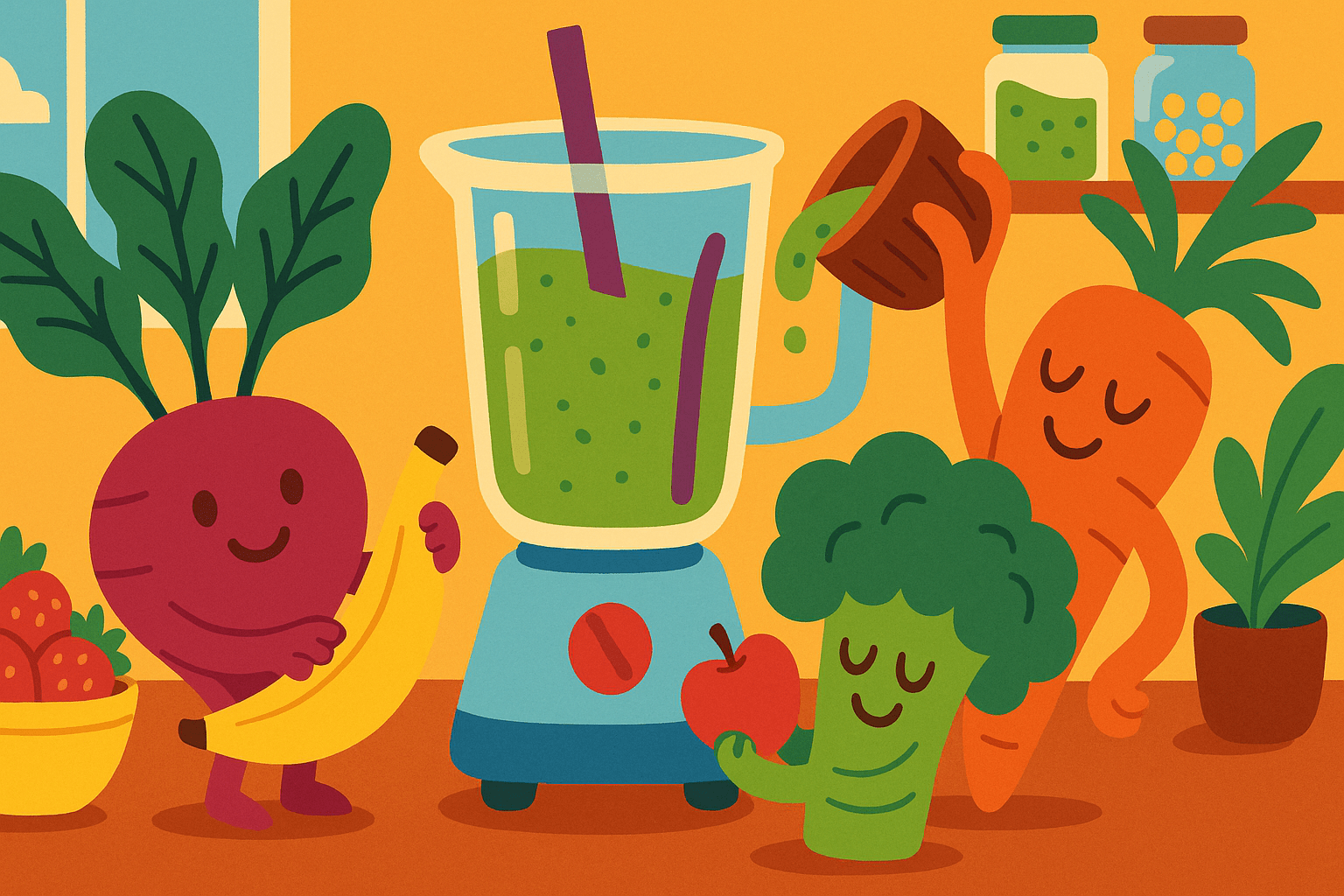
- Green smoothie with spinach, banana, apple, lemon juice, and ground flaxseeds, for fiber, vitamins, and essential fatty acids.
Lunch
- Quinoa salad with arugula, cherry tomatoes, roasted chickpeas, avocados, sunflower seeds, and olive oil and lemon juice dressing.
- Plate of roasted vegetables (broccoli, carrots, zucchini) with marinated tofu, accompanied by brown rice and some salted cashews for a tasty crunch.
Snacks
- Carrot and cucumber sticks dipped in hummus.
- A fresh fruit (pear, apple, apricots depending on the season) accompanied by a handful of almonds or nuts.
- A plain plant-based yogurt with chia or flaxseeds to boost omega-3 intake.
Dinner
- Red lentil and carrot soup, garnished with fresh coriander and a drizzle of flaxseed oil.
- Vegetable curry (sweet potatoes, spinach, chickpeas) with coconut milk, served with fragrant basmati rice.
- Colorful bowl: black rice, red beans, bell peppers, spinach, mango, peanut butter sauce, and a hint of lemon juice, topped with sesame seeds.
Warnings and Additional Advice
While vegetarianism can bring many benefits for the skin, it is not a universal magic formula. For some people, dietary transition can lead to temporary imbalances (hormonal changes, slight nutrient deficiency) that may reflect on the skin (temporary acne, dryness). It is important to:
- Seek guidance, especially at the beginning, from a nutrition professional or specialized dietitian.
- Favor gradual transition, especially if you previously had a very meat-heavy diet.
- Listen to your body, as each individual reacts differently to dietary changes.
Moreover, if you experience persistent or severe skin problems, it is essential to consult a dermatologist. Diet does not always do everything, and some skin conditions may require specific treatment.
Reasons to Opt for a Vegetarian Lifestyle Beyond Skin
The link between vegetarianism and skin beauty is just one of the many potential benefits of a plant-based diet. Many choose vegetarianism for:
- Ethical reasons and animal protection.
- Environmental considerations: meat production has a greater impact in terms of resources (water, land) and greenhouse gas emissions.
- Culinary diversity gain: cooking vegetarian means discovering inspiring foods and recipes from around the world.
The result is often a sense of overall well-being, combined with greater awareness of what we put on our plate and, by extension, the positive impact it can have on health, including our skin.
Conclusion
Vegetarianism and skin beauty are closely linked through nutritional intake, antioxidant richness, and better body regulation. A balanced, varied vegetarian diet composed of whole foods can promote a more radiant complexion, reduce skin inflammation, and strengthen overall skin health.
However, it is crucial not to neglect certain nutrients, such as vitamin B12, iron, or omega-3s. By combining appropriate nutrition, an adapted skincare routine, and a healthy lifestyle (sleep, stress management, hydration), you can maximize your chances of displaying radiant skin, a reflection of flourishing inner health. If you are considering becoming a vegetarian or already are, taking the time to properly inform yourself and being cautious about the quality of your diet will certainly be rewarded with noticeable benefits, both on health and your skin.